




Japanese Apricot Tree | Prunus mume 'Beni-chidori'
An early springtime showstopper

Grown by Mike
Roots' Cotswolds Valley Nursery
Tree in a 5L Pot
110-160cm inc. pot on arrival
Choose your size
Out of stock
Currently out of stock
Plant diary
- Flower
- Harvest
Japanese Apricot Tree
Prunus mume 'Beni-chidori'
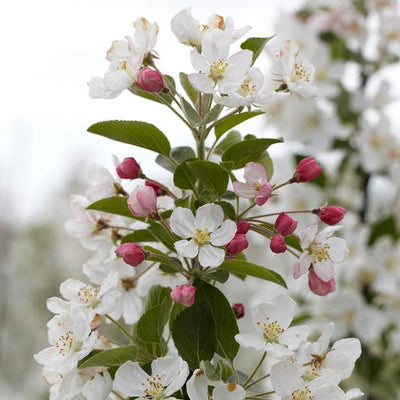
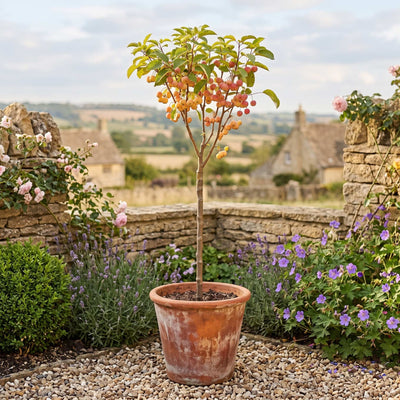
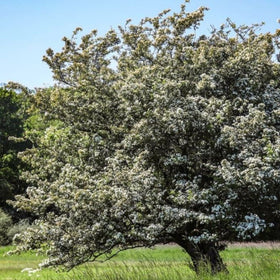
- This small ornamental tree provides a masterclass in elegance, with abundant pink flowers smothering its stems in early spring
- The flowers start out a hot pink before becoming a paler pastel/blush pink as time goes by
- The tree's blooms are highly fragrant, with notes of cinammon and clove perfuming the air
- Sometimes, the tree will also produce bitter-tasting fruits that look a bit like rosy apples from the sweet shop!
- This Japanese Apricot variety has been certified by the RHS as one of its Plants for Pollinators; bees simply love this tree's early blooms!
- 'Beni-chidori' is a recipient of the RHS Award of Garden Merit, meaning it comes highly recommended by the society
- Our trees are usually between 18 and 36 months old at the time of dispatch
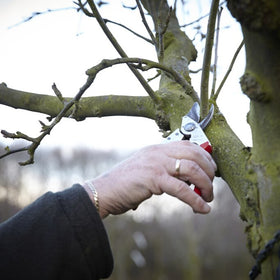
- Our trees are professionally pruned before dispatching. This formative pruning can involve cutting the main leader, if the expert tree growers decide this will produce a better shaped tree. This can stop the tree becoming "leggy", and promote stronger, bushier growth
What to expect
Supplied as
Height on arrival
Eventual height
Eventual spread
Flower colour
Habit
Hardiness
Spacing
Will this grow in my garden?
Can I grow this in a pot?
Yes, Japanese Apricot Tree adapts well to pots. Use a 50-60cm pot. It can be grown long-term but requires vigilant watering in summer. Protect the pot during severe winters below -5°C.
How big does it get?
The Japanese Apricot Tree reaches a mature height of 4 to 6 metres, with a spread of 3 to 5 metres, although it can be maintained at a smaller size with regular pruning.
How much sunlight does this need?
Japanese Apricot Tree prefers full sun to partial shade, requiring at least 4 to 6 hours of direct sunlight daily to thrive.
What kind of soil does this plant prefer?
Japanese Apricot Tree prefers well-drained, moderately fertile soil, but is quite adaptable to most soil types including clay, loam, and chalk. It tolerates winter ground temperatures down to -10°C. Plant in a hole at least 50cm wide for best results.
How much watering does this plant need?
Japanese Apricot Tree requires regular watering, especially during its first few years of establishment. Provide approximately 10 to 20 litres of water per week, ensuring the soil remains moist but well-drained. During hot weather above 25°C, increase watering frequency to prevent the roots from drying out.
Will this plant need pruning?
Japanese Apricot Tree generally requires pruning in mid-summer to reduce the risk of silver leaf disease, removing crossing branches to open up the canopy by about 0.5m.
How hardy is this plant?
Prunus mume 'Beni-chidori' has an RHS hardiness rating of H5, making it hardy down to -15°C, but its early blossoms may be damaged by late frosts in colder UK regions.
The wider garden

Roots' Cotswolds Valley Nursery
Meet Mike
Tree-growing skills honed right across the globe
Having started out in Australia, studied in Northern Ireland and volunteered at an organic farm in Sweden, it’s fair to say Mike’s done his fair share of travel on his horticultural journey, so far! Having happily laid down roots here at Roots, Mike is the don behind our tree-growing operation, imparting each and every one of his globally-honed skills to benefit your garden. Grown in our purpose-built nursery, in the ideal climatic conditions of the fertile Vale of Evesham, we’re proud to supply only the happiest, healthiest and hardiest trees.
What customers say about us
We do our best to provide you the best experience ever
Learn from our experts
For growing advice that's clear and easy to follow


What customers say about us
We do our best to provide you the best experience ever
Fighting plastic waste
Delivering fresh from the nursery
Supporting UK growers