




-
Regular price From £30Regular price Sale price From £30
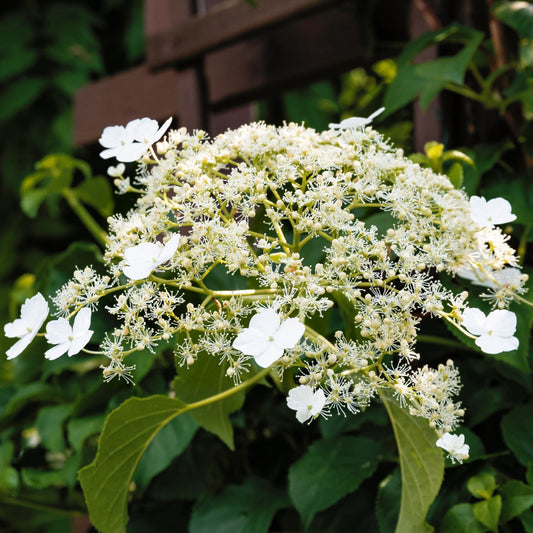
Climbing Hydrangea | Hydrangea petiolaris
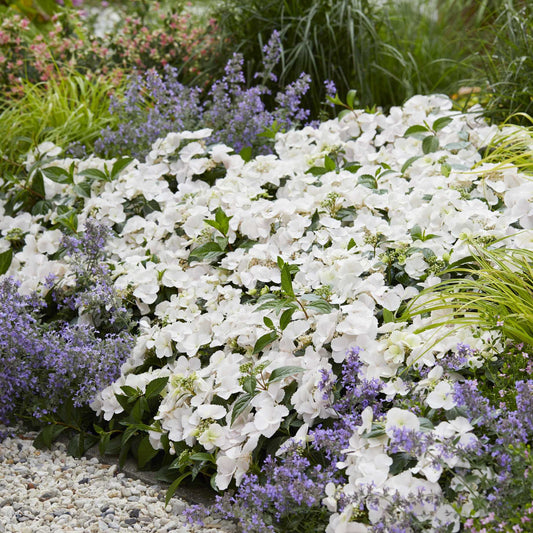
A climbing woodland classic
- Giant, fluffy, white lacecap blooms
- Gold and chartreuse hues in autumn
- Prefers partial shade (tolerates full sun)
- Flowers from May to July
3 options available
-
Regular price From £220Regular price Sale price From £220
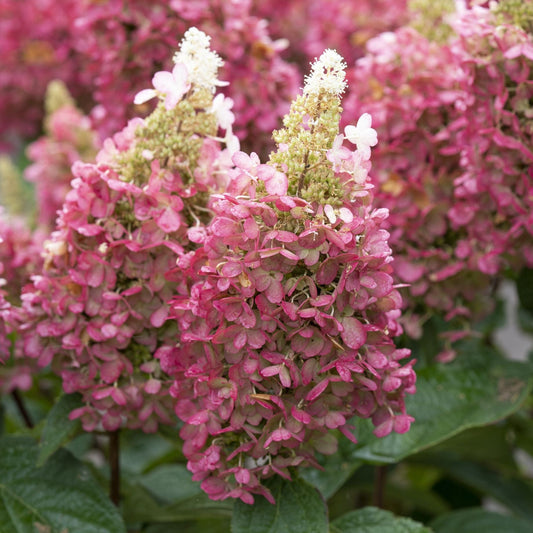
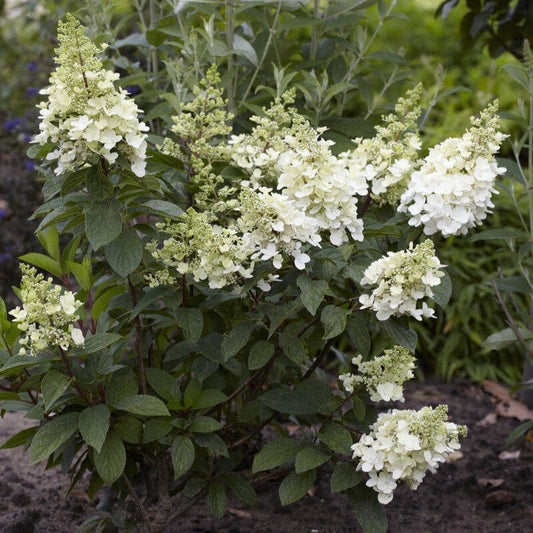
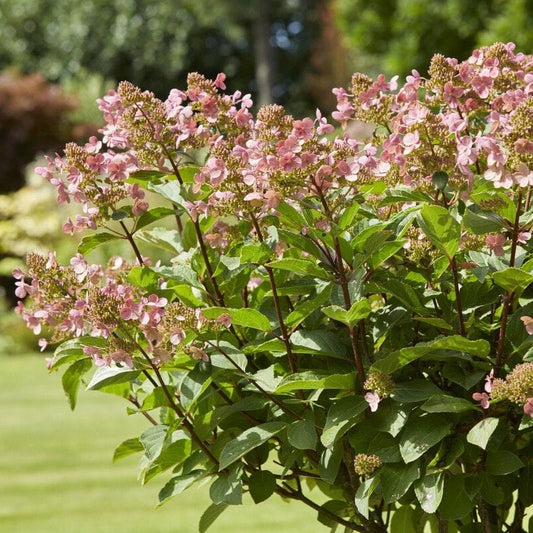
Hydrangea paniculata 'Candlelight'
Stunning pink pyramidal blooms
- Upright and vigorous shrub
- Medium shrub - grows up to 1.5m
- Punchy flower cones turn from cream to pink
- A particularly vigorous variety
1 option available
-
Regular price From £60Regular price Sale price From £60
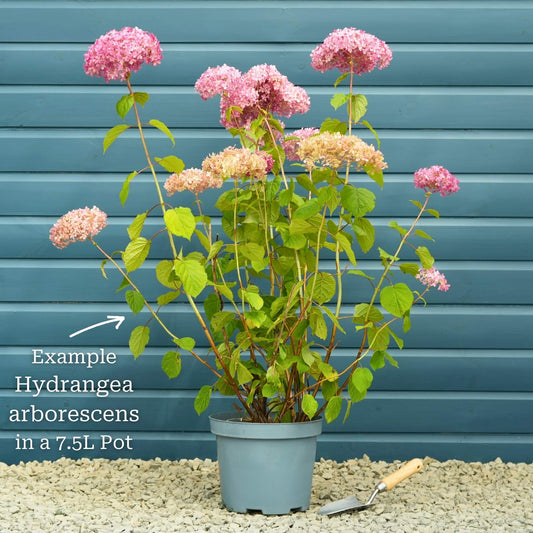
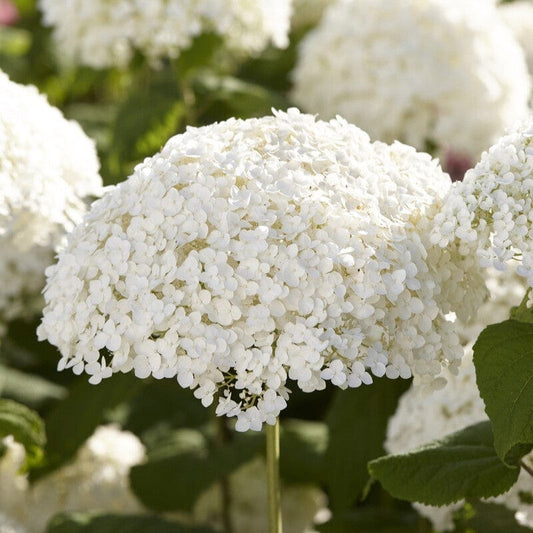
Hydrangea arborescens 'Annabelle'
Snowy, oh-so showy blooms
- Profusely-packed, bushy shrub
- Medium shrub - grows up to 2.5m
- Linen white, large, spherical blooms
- RHS Award of Garden Merit winner
1 option available
-
Regular price From £20Regular price Sale price From £20
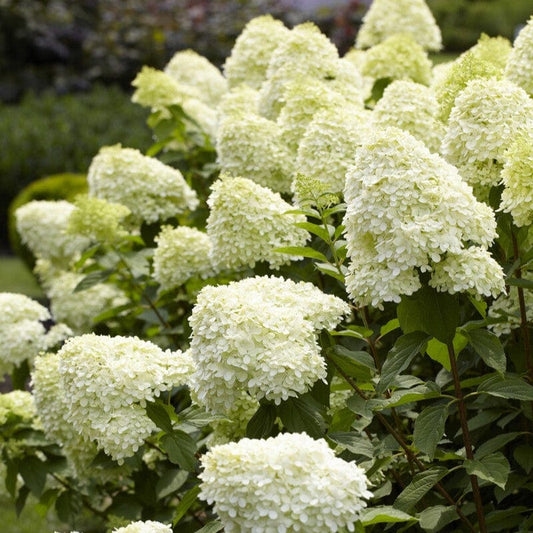
Hydrangea paniculata 'Limelight'
Award-winning scene stealer
- Upright and airy shrub
- Medium shrub - grows up to 2m
- Rounded cones of green, white and pink blooms
- RHS Award of Garden Merit winner
2 options available
-
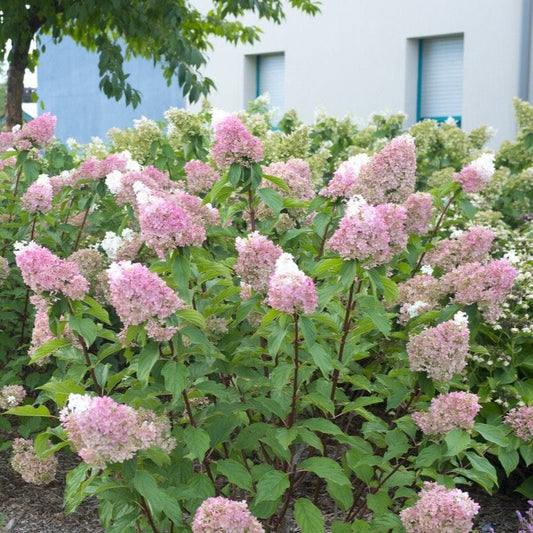
Regular price From £30Regular price Sale price From £30
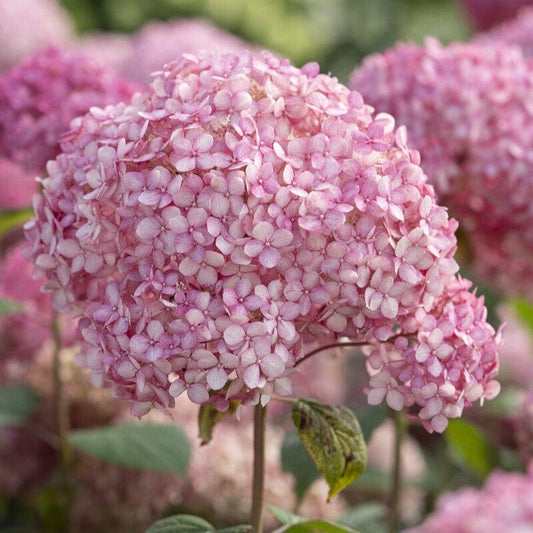
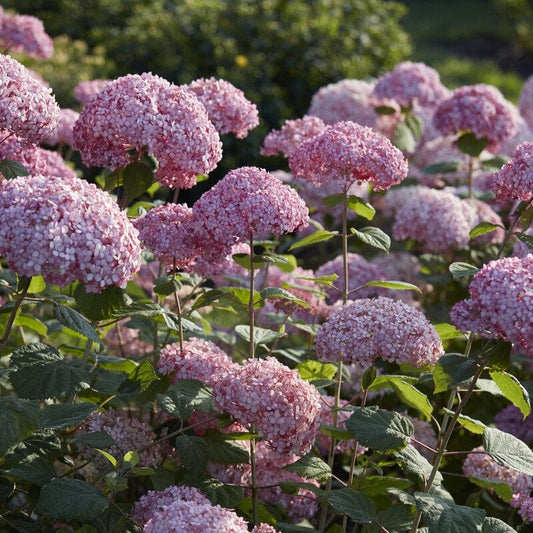
Hydrangea arborescens 'Pink Annabelle'
Billowing pink blooms
- Dense, bushy and vigorous shrub
- Medium shrub - grows up to 1.5m
- Pastel pink, pompom-like blooms
- Makes a fantastic flowering hedge
2 options available
-
Regular price From £18Regular price
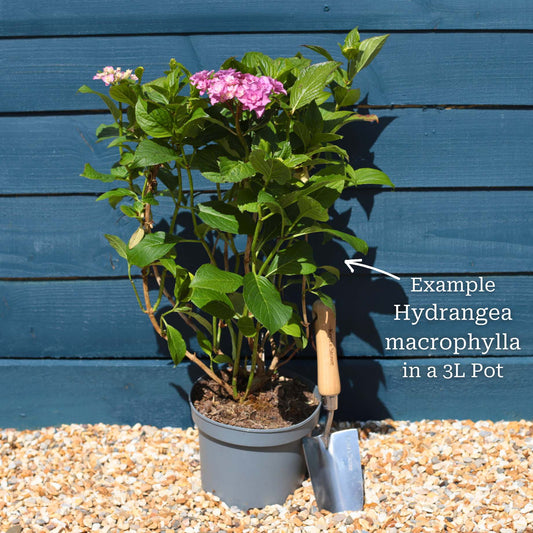
£20Sale price From £18Hydrangea macrophylla 'Bouquet Rose'
Your new favourite cut flower
- Bushy shrub with arching flower stems
- Medium shrub - grows up to 1.25m
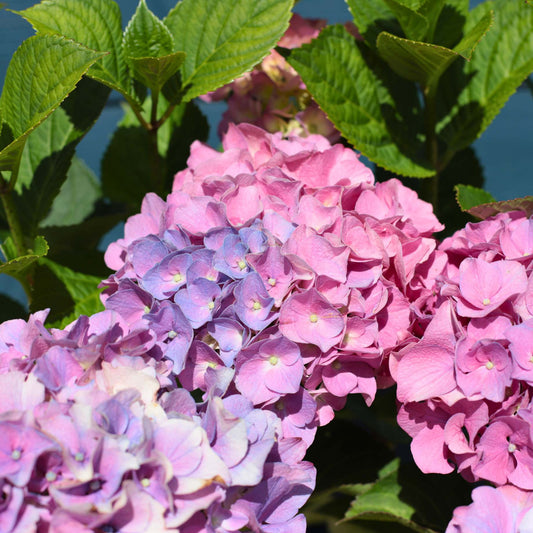
- Domed pink-to-purple flowers
- First grown over a century ago
1 option available
-
Regular price From £50Regular price Sale price From £50
Hydrangea 'Runaway Bride'
A lacecap like no other!
- Floriferous bushy shrub
- Medium shrub - grows up to 1.2m
- Dainty white lacecap blooms
- Fabulous long flowering season
1 option available
-
Regular price From £25Regular price Sale price From £25
Hydrangea paniculata 'Vanille Fraise'
Fluffy ice-cream blooms!
- Delightfully bushy shrub
- Medium shrub - grows up to 2.5m
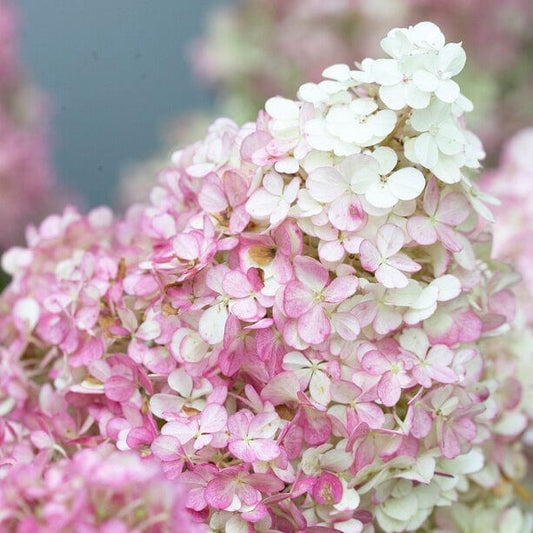
- Pyramidal panicles turn from cream to pink
- Great for cut flower gardens
2 options available
-
Regular price £50Regular price Sale price £50
Hydrangea macrophylla 'Little Pink'
Small in stature, big on impact!
- Dwarf shrub with bushy growth
- Small shrub - grows up to 0.75m
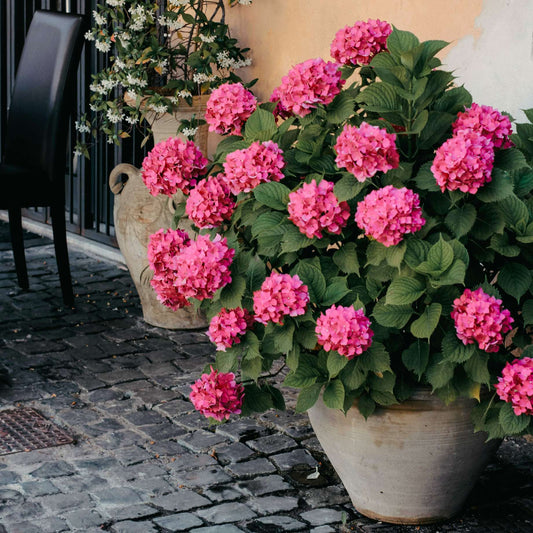
- Hot pink flower domes and lush foliage
- Ideal for container growing
1 option available
-
Regular price From £20Regular price Sale price From £20
Hydrangea paniculata 'Phantom'
Blooms worth haunting for...
- Vigorous, spreading shrub
- Medium shrub - grows up to 2.5m
- Wonderful white flower cones, green foliage
- RHS Award of Garden Merit winner
2 options available
-
Regular price From £20Regular price Sale price From £20
Hydrangea paniculata 'Skyfall'
Talk about free-flowering...
- Striking, bushy shrub
- Medium shrub - grows up to 1.2m
- Jumbo conical white flowers
- Looks lovely in a feature patio pot
2 options available
-
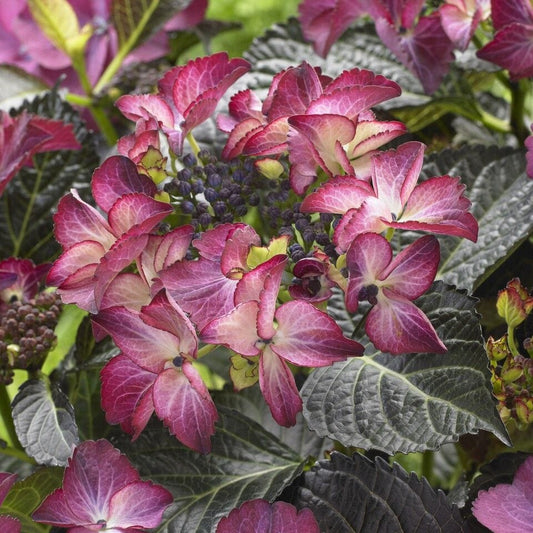
Regular price £30Regular price
£40Sale price £30Hydrangea macrophylla 'Rembrandt Rosso Glory'
Pretty as a painting
- Compact, bushy shrub
- Medium shrub - grows up to 1.5m
- Superb pink and red blooms
- Grows nicely in pots
1 option available
-
Regular price £30Regular price
£40Sale price £30Hydrangea macrophylla 'Rembrandt Dolce Chic'
Blooms worthy of a great master
- Neat, bushy shrub
- Medium shrub - grows up to 1.2m
- Pristine pink blooms (starting lemon yellow)
- Exellent for cut flowers
1 option available
-
Regular price £35Regular price Sale price £35
Hydrangea paniculata 'Diamantino'
Studded with twinkling blooms
- Stout, bushy shrub
- Small shrub - grows up to 1.2m
- Plentiful snow-white blooms
- Perfect for flower arranging
1 option available
-
Regular price £40Regular price Sale price £40
Hydrangea 'Rendez-Vous Confetti Panther'
A celebration in plant form
- Free-flowering, bushy shrub
- Medium shrub - grows up to 1.5m
- Incredible marbled pink blooms
- Fully hardy and easy to grow
1 option available
-
Regular price £40Regular price Sale price £40
Hydrangea paniculata 'Confetti'
Flowers worth celebrating
- Contained, bushy shrub
- Medium shrub - grows up to 1.2m
- Flowers from July to September
- Perfect for cutting gardens
1 option available
-
Regular price £30Regular price Sale price £30
Patio Hydrangea Tree | Hydrangea paniculata 'Magical Fire'®
Blooms blazing bright
- Patio tree with an attractive, upright habit
- Small tree - grows up to 1.5m (when pruned)
- Flower cones in white then pink hues
- Great colour retention
1 option available
-
Regular price From £20Regular price Sale price From £20
Hydrangea paniculata 'Sundae Fraise'
A strawberry-sweet dream
- Compact, proud shrub
- Medium shrub - grows up to 1.2m
- Flowers from June to August
- Vivid red stems and fragrant flowers
2 options available
-
Regular price £55Regular price Sale price £55
Hydrangea paniculata 'Early Harry'
Blooms all summer long
- Vigorous upright shrub
- Medium shrub - grows up to 2m
- Superb white (then pink) flower cones
- Excellent for cut flowers
1 option available
-
Regular price From £35Regular price Sale price From £35
Hydrangea macrophylla 'Dark Angel Purple'
A most heavenly hydrangea
- Upright, bushy shrub
- Medium shrub - grows up to 1.5m
- Flowers from June to August
- Brilliant for cut flowers
1 option available
-
Regular price £80Regular price Sale price £80
Hydrangea arborescens 'Ruby Annabelle'
Gem-like blooms shining bright
- Diminutive, bushy shrub
- Medium shrub - grows up to 1.2m
- Flowers from July to September
- An ideal low flowering hedge plant
1 option available
-
Regular price From £35Regular price Sale price From £35
Hydrangea arborescens 'Strong Annabelle'
Scarcely believable blooms!
- Tough, strong and bushy shrub
- Medium shrub - grows up to 1.5m
- White flower balls up to 30cm across
- Absolutely huge blooms!
Currently out of stock
-
Regular price From £30Regular price Sale price From £30
Best Shrubs For Shade
Who needs sun, anyway?
- Includes shrubs of various habits (eg. bushy)
- Features shrubs of various sizes
- Hardy, low-maintenance shrubs
- The perfect selection for shadier gardens
Currently out of stock
-
Regular price £20Regular price Sale price £20
Hydrangea macrophylla 'Expression'
Talk about flower power...
- A relatively compact, bushy shrub
- Medium shrub - grows up to 1.5m
- Incredible double pink blooms
- Easy to grow and fully hardy
Currently out of stock
-
Regular price From £25Regular price
£30Sale price From £25Best Flowering Shrubs
Who said shrubs were boring?
- Features shrubs with different habits
- Features shrubs of various sizes
- Includes assorted colours and forms
- The most spectacular array of blooms
Currently out of stock
-
Regular price £45Regular price Sale price £45
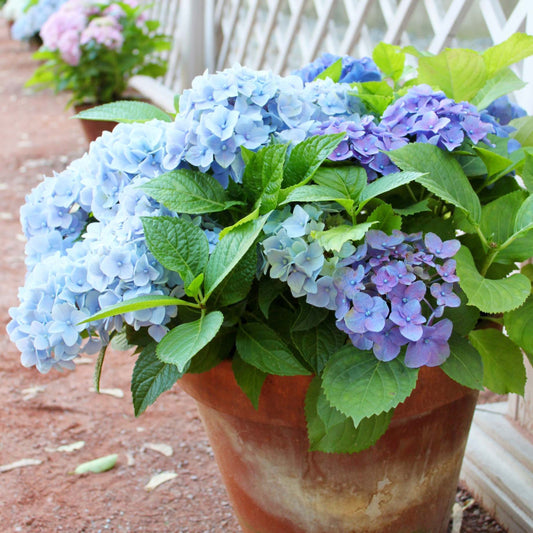
Hydrangea macrophylla 'Little Blue'
Brilliant blue patio blooms
- Compact, densely-packed shrub
- Small shrub - grows up to 0.75m
- Myriad baby-blue flower spheres in summer
- Perfect for patio pots
Currently out of stock
-
Regular price £25Regular price Sale price £25
Hydrangea paniculata 'Little Spooky'
Scared? Of these blooms?
- Robust and diminutive dwarf shrub
- Small shrub - grows up to 0.75m
- Conical, chartreuse-flushed white flowers
- Lovely autumn shades!
Currently out of stock

























Roots' Cotswolds Valley Nursery
Meet Cameron
Putting shrubs in the starlight (and boy do they shine…)
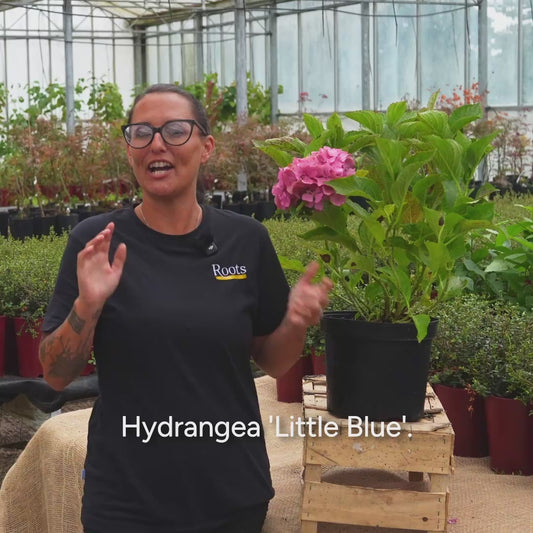
Cameron is mad about plants, which is lucky, really, because he’s absolutely surrounded by them here at the nursery. Having studied at the Student Plant Unit at Pershore College, Cameron went on to compete at the Grand Finals for the 2022 Horticulturist of the Year Awards. With a team of dedicated growers on hand to help, Cameron utilises our industry-leading nursery (and the lovely, fertile conditions of the Cotswolds) to grow shrubs that aren’t just good-looking, they’re good-growing too.
Need help picking?

Which hydrangea?
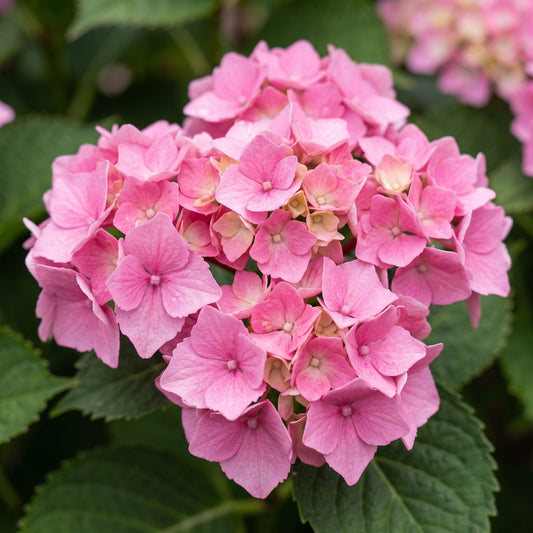
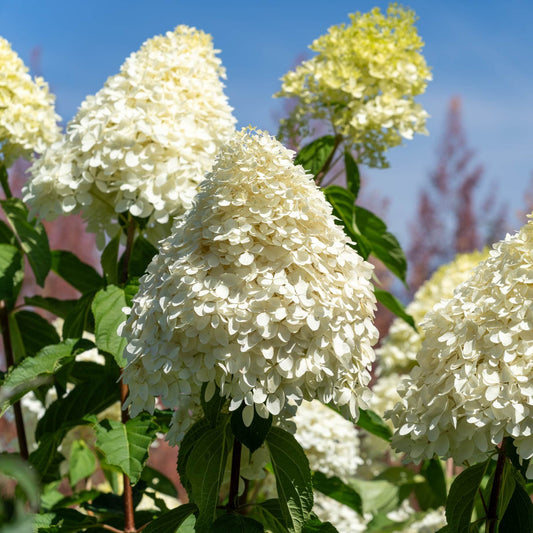
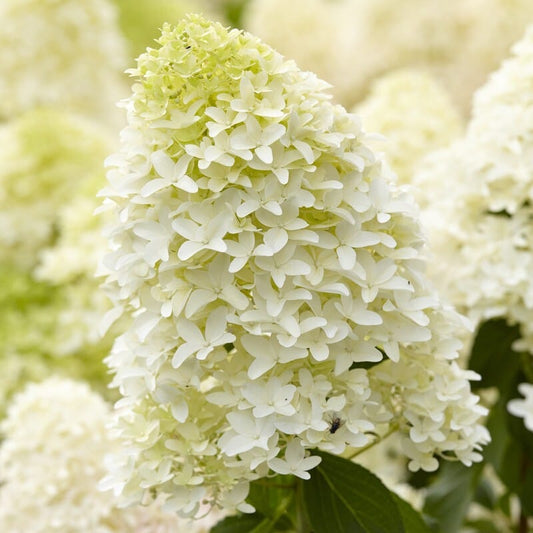
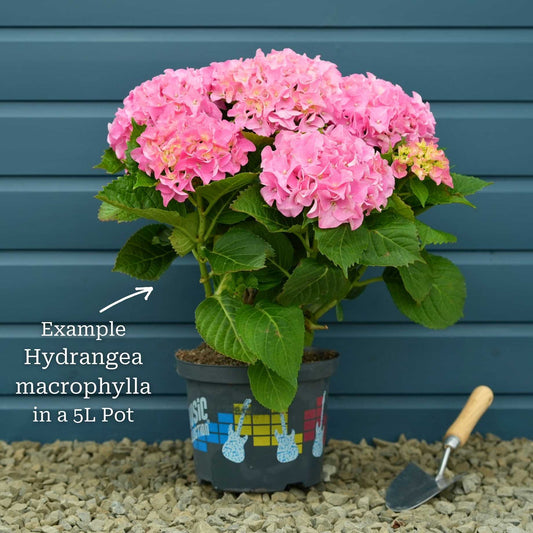
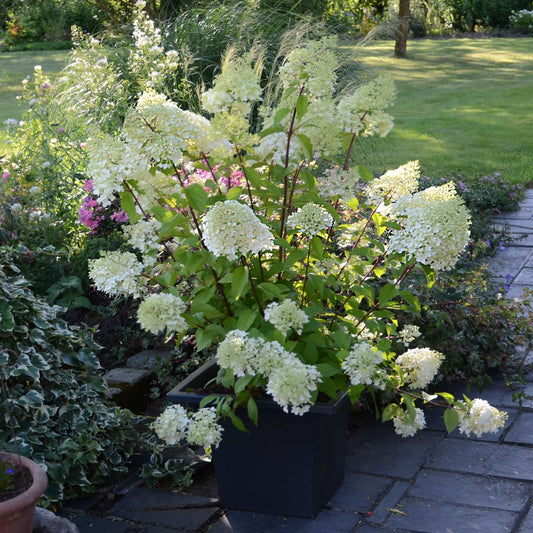
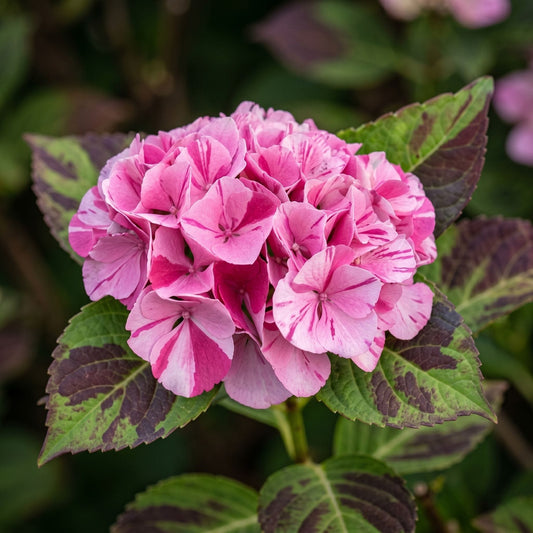
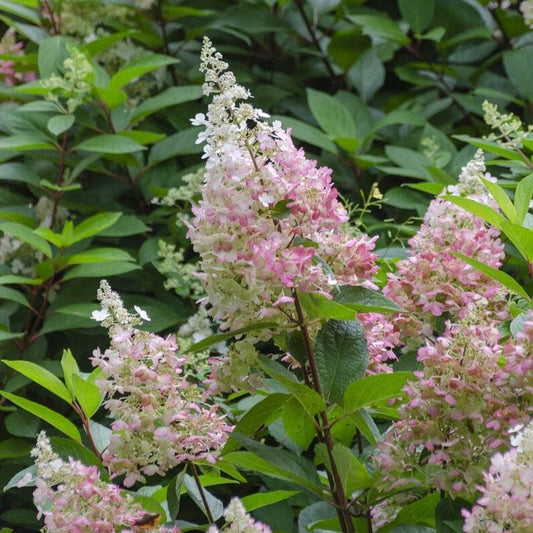
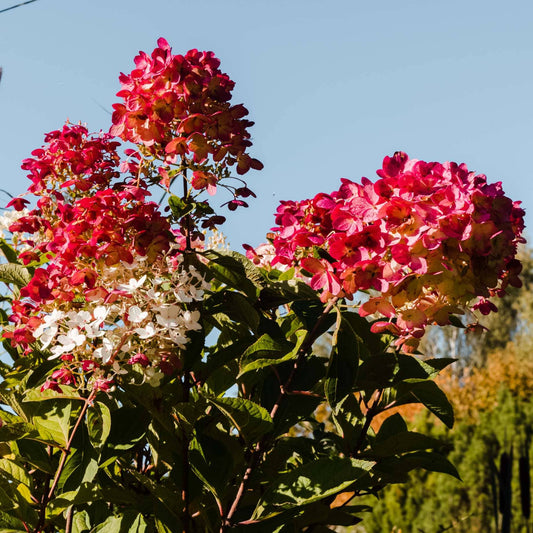
The hydrangea you opt for, of course, depends on personal taste but we can certainly help you narrow it down a bit! For smaller spaces and patio gardens, opt for a container-viable cultivar, such as one from the ‘Little’ series, which grow to between just half a metre and three-quarters of a metre tall. For the showiest blooms, something like ‘Strong Annabelle’ is hard to look past, with snowball-like flowers each measuring up to 30cm across (this variety is also an excellent option for making a hydrangea hedge). For more conical blooms, pick a panicled hydrangea (Hydrangea paniculata). And while all hydrangeas tend to grow nicely in a little shade, one of the most shade-tolerant species is Hydrangea macrophylla (bigleaf hydrangea).

Hydrangea planting schemes
Shrubby hydrangeas are perfect for a range of planting schemes, most notably coastal, woodland and cottage gardens. Their hardiness and salt tolerance makes them a good choice for sunny, seaside growing, while their ability to grow in dappled or partial shade means they work equally well in woodland-style gardens alongside plants like hostas and heucheras. Cottage gardens can really benefit from the addition of a hydrangea or two, and look wonderful paired with peonies and roses. Plus, they make for excellent cut flowers!

Caring for hydrangeas
Hydrangeas benefit from planting in moist but well-drained soil, preferably with decent levels of fertility. If your soil has poor drainage, amending it with some rotted organic matter. The same tactic applies if your soil is too sandy and retains no moisture; the addition of some compost, for instance, can help keep a bit more moisture in. Hydrangeas grow nicely in both sun and partial shade, with panicled hydrangeas generally considered to be the most sun-tolerant, and bigleaf hydrangeas the most shade-tolerant. Mulch after planting and occasionally thereafter to help suppress weeds and lock in moisture.
Plants arrived in great condition and very promptly. Well established - much better than the ones I got at my local garden centre.
Monica Spence
| 24 May

Yet again this company delivered good healthy plants, exactly as shown in photos, well packaged and within delivery time quoted. Recommend!
Jacqueline Burgess
| 2 Jun
I continue to be so impressed with Roots. Their customer care, knowledge of their subject: from planting hedges to pruning roses and more, has been a great support.
Judy Lane
| 23 Oct
The plant arrived looking vigorously healthy, which brings a smile to your face, extremely well protected in its packaging.
Martyn Hill
| 5 Jul
As a non-gardener, I found my whole experience brilliant. Great information & advice available on the website, great range of products & prices are brilliant.
John-Paul
| 22 May

Wonderful plants and great customer service... really surprised to find that the plants are better than those you would get at your local garden centre.
Gavin Wilcock
| 8 Nov
Fighting plastic waste
Delivering fresh from the nursery
Supporting UK growers