




-
Regular price £45Regular price Sale price £45
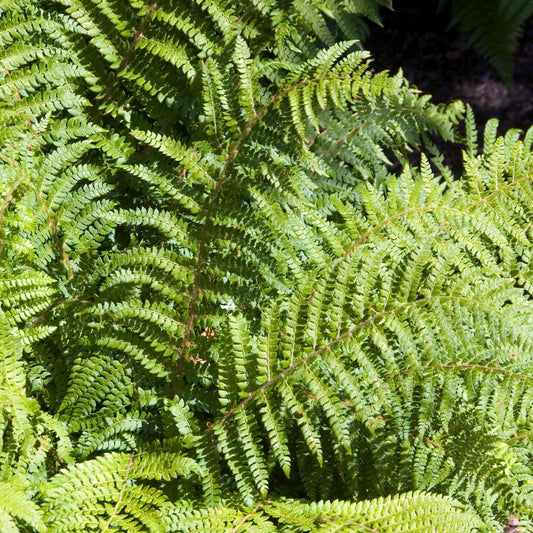
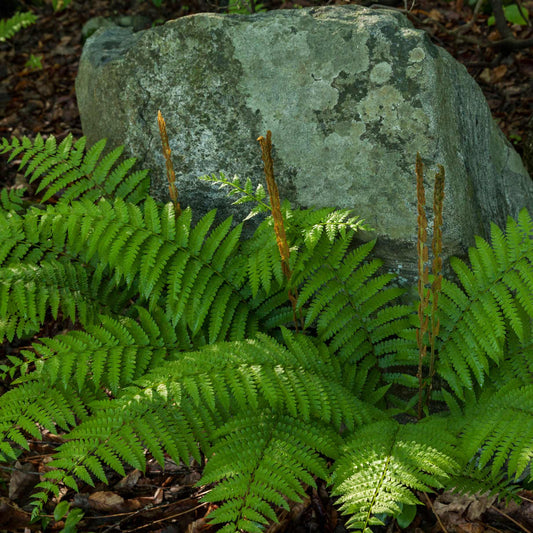
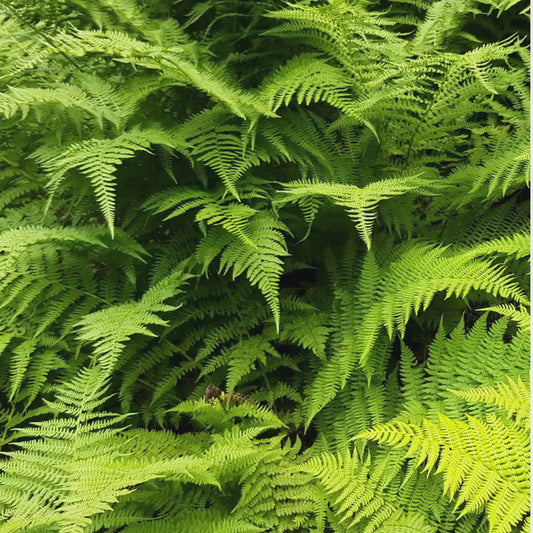
Premium Fern Collection
The perfect mix of stylish ferns
- An array of wonderfully-textured foliage
- Zone 1 - Pondside
- Grows in all light (part shade is best)
- Ideal for damp ground and shady borders
1 option available
-
Regular price £23Regular price Sale price £23
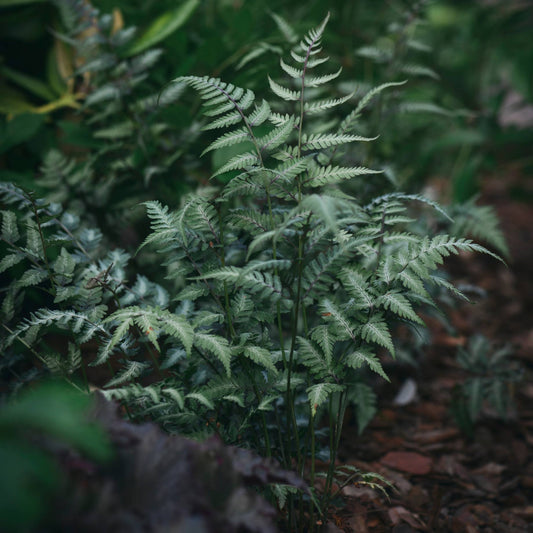
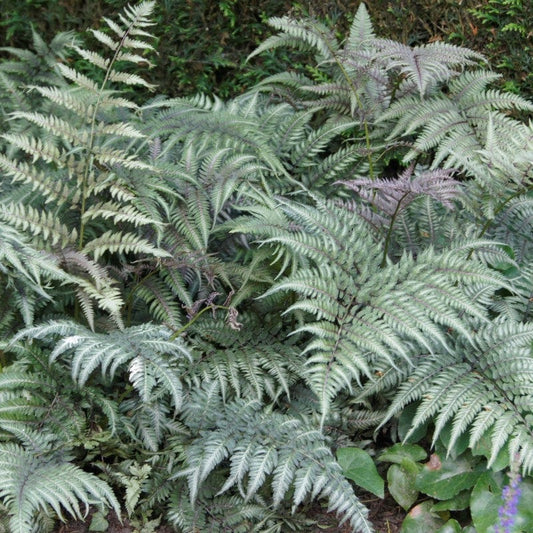
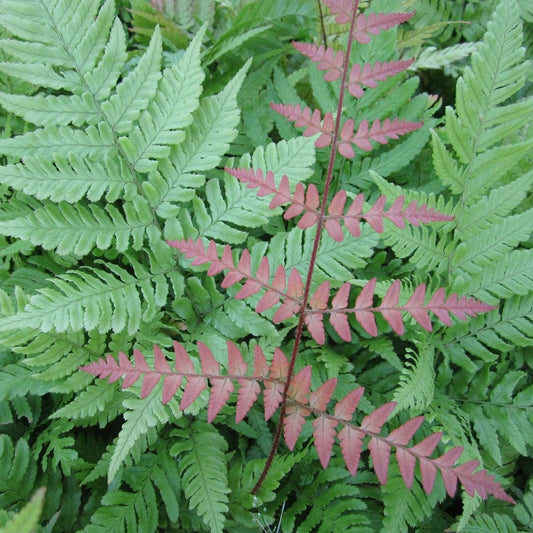
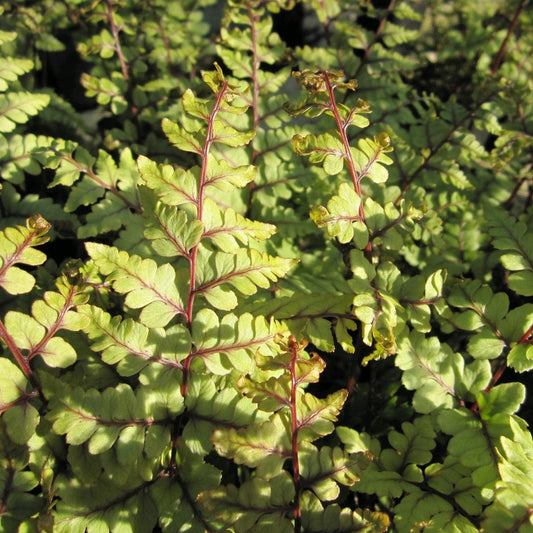
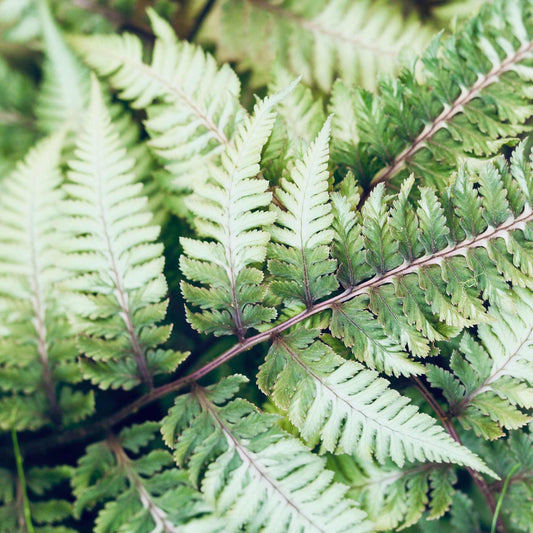
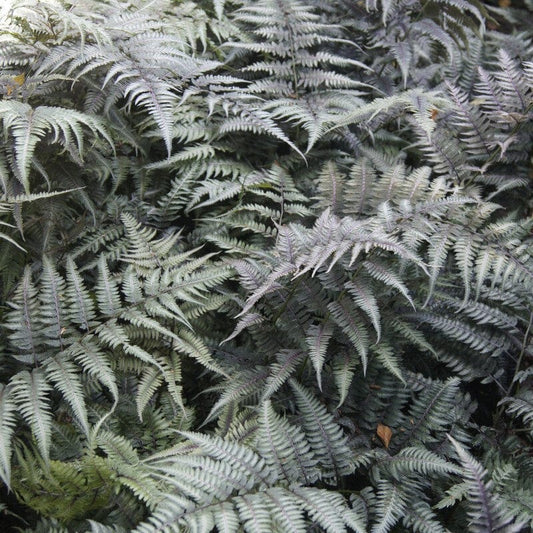
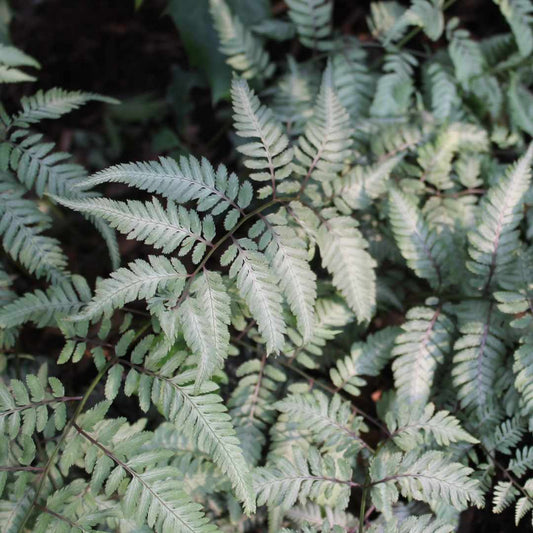
Japanese Painted Fern | Athyrium niponicum metallicum
Year-round texture and interest
- Blue, green, maroon and silver tones
- Zone 1 - Pondside
- Grows in all light (part shade is best)
- RHS Award of Garden Merit winner
1 option available
-
Regular price £23Regular price Sale price £23
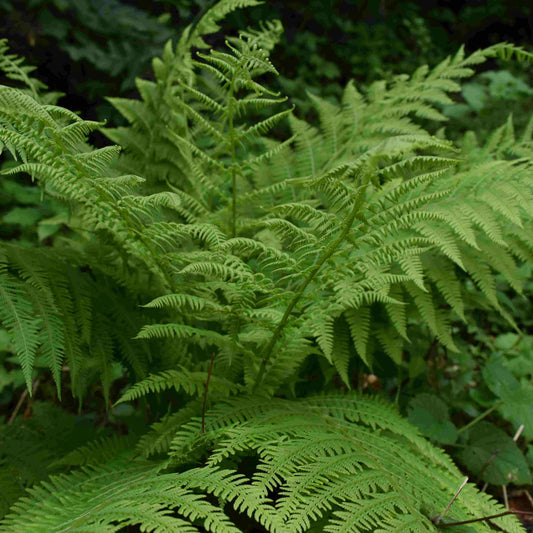
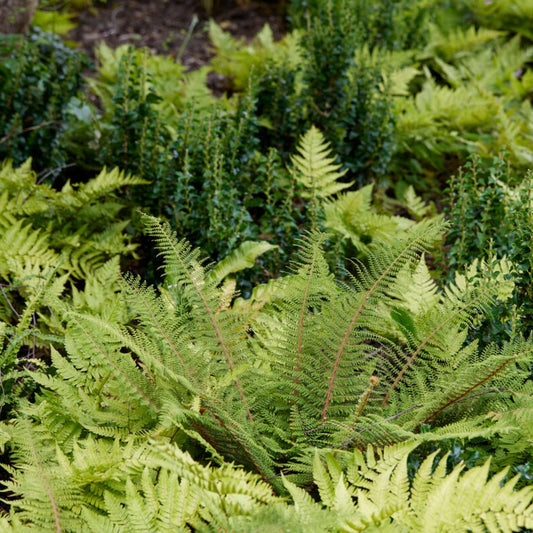
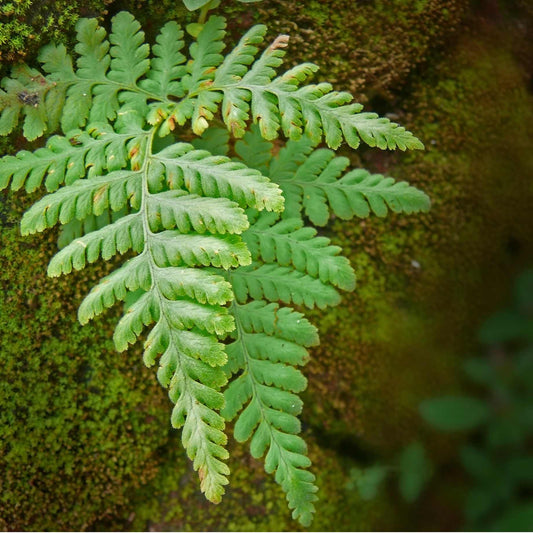
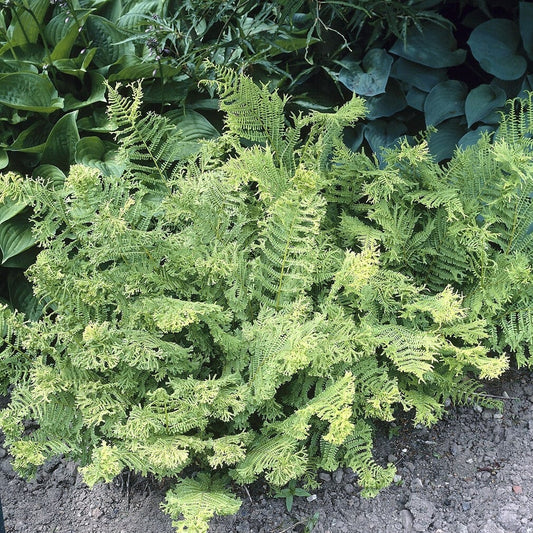
Lady Fern | Athyrium filix femina
An elegant deciduous fern
- Elegant lacy fronds in vibrant green hues
- Zone 1 - Pondside
- Grows in all light (prefers part shade)
- British native fern, ideal cover for wildlife
1 option available
-
Regular price £23Regular price Sale price £23
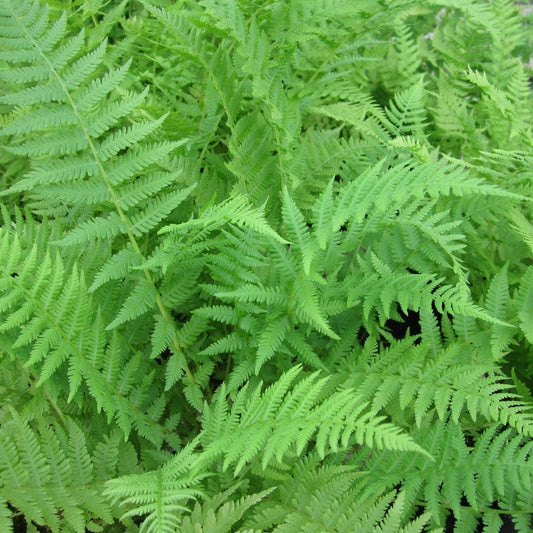
Japanese Tassel Ferns
Fresh colours all year round
- Unfurling foliage that looks like tassels!
- Zone 1 - Pondside
- Grows in all light (part shade is best)
- RHS Award of Garden Merit winner
1 option available
-
Regular price £23Regular price Sale price £23
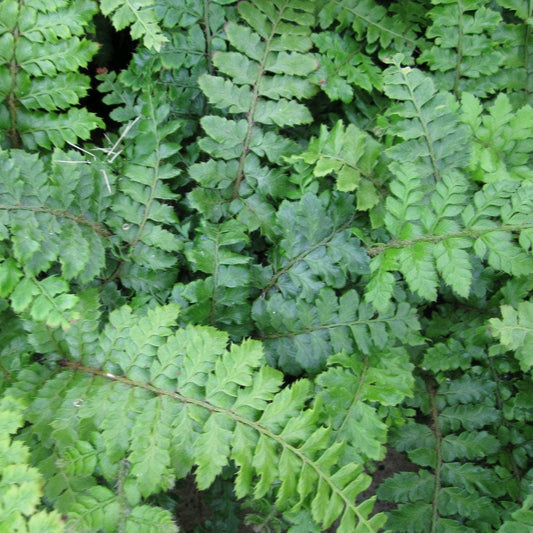
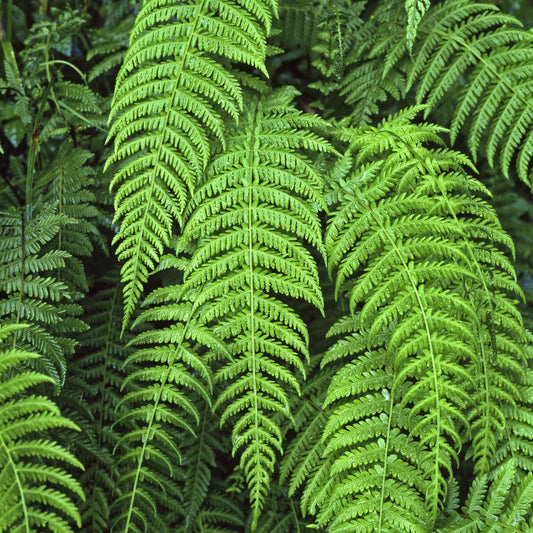
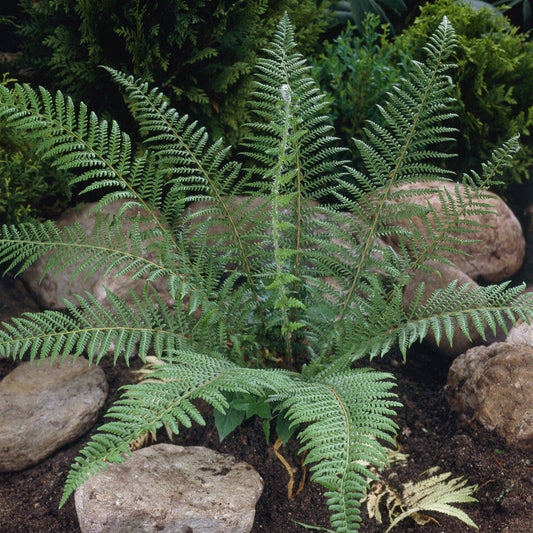
Pondside Fern Pack
A beautiful array of greenery
- Arching triangular foliage
- Zone 1 - Pondside
- Tolerates all light conditions
- RHS Award of Garden Merit winner
1 option available
-
Regular price £23Regular price Sale price £23
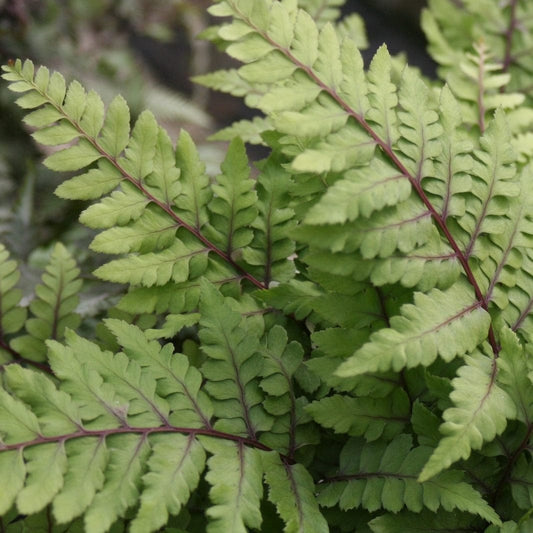
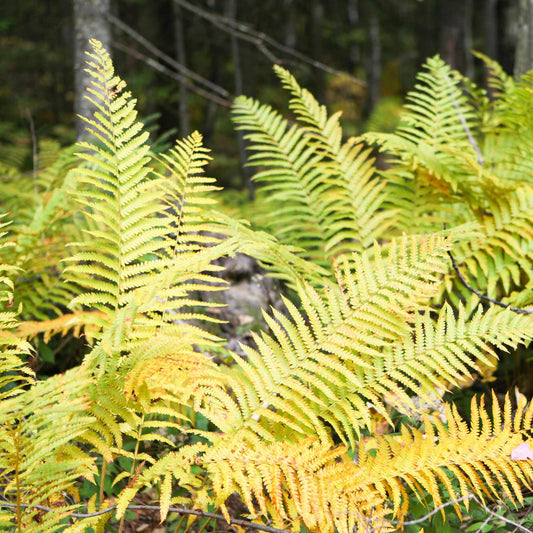
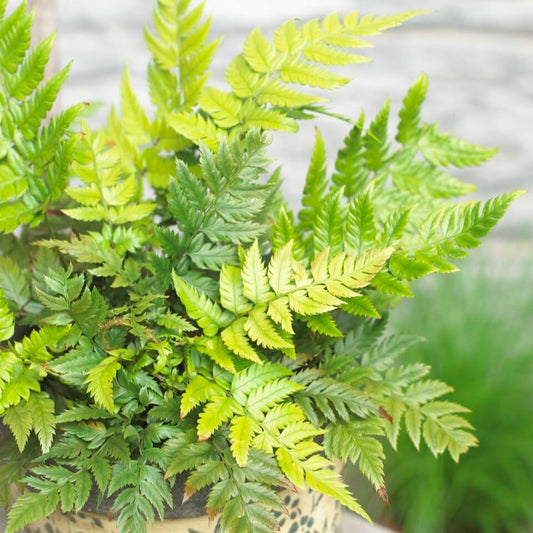
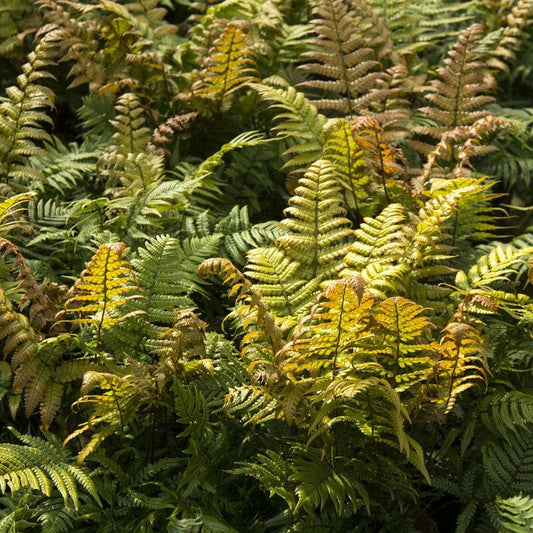
Eared Lady Fern | Athyrium otophorum okanum
Amongst the most striking ferns
- Yellow and green leaves with purple midribs
- Zone 1 - Pondside
- Grows in all light (prefers part shade)
- Brightens any shady border!
1 option available
-
Regular price From £20Regular price
£24Sale price From £20Woodland Fern Collection
Primal-feeling forest ferns
- Includes a variety of distinct fern plants
- Ideal for shady borders and woodland gardens
- Colours to contrast and complement
- A range of textures for maximum interest
Currently out of stock
-
Regular price £8Regular price Sale price £8
Autumn Fern | Dryopteris erythrosora 'Koidzumiana'
Autumnal shades all year round
- Prefers a spot in part or full shade
- Grow in pots or a shady woodland border
- Compact and neat form
- Easy to grow, with no pruning needed
Currently out of stock
-
Regular price From £8Regular price Sale price From £8
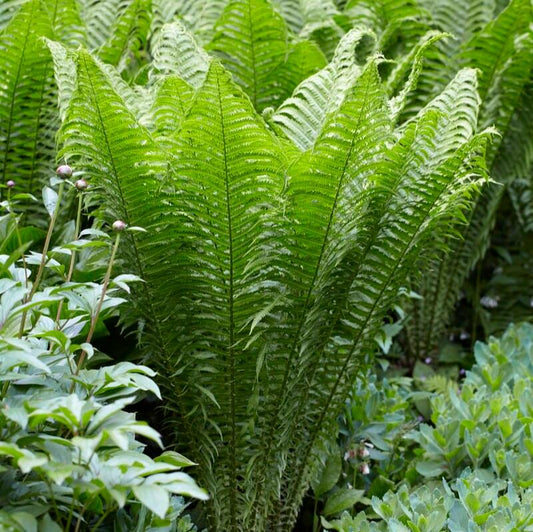
Ostrich Fern | Matteuccia struthiopteris
Bold and statuesque centrepiece
- Loves shady conditions (part to full shade)
- Adds interest to shady borders and ponds
- Large fronds resembling ostrich feathers!
- RHS Award of Garden Merit winner
Currently out of stock
-
Regular price £8Regular price Sale price £8
Japanese Lace Fern | Polystichum polyblepharum
Evergreen for year-round colour
- Plant in deep or partial shade
- Grow as part of a woodland border
- Shuttlecocks of glossy green fronds
- RHS Award of Garden Merit winner
Currently out of stock
-
Regular price From £6Regular price Sale price From £6
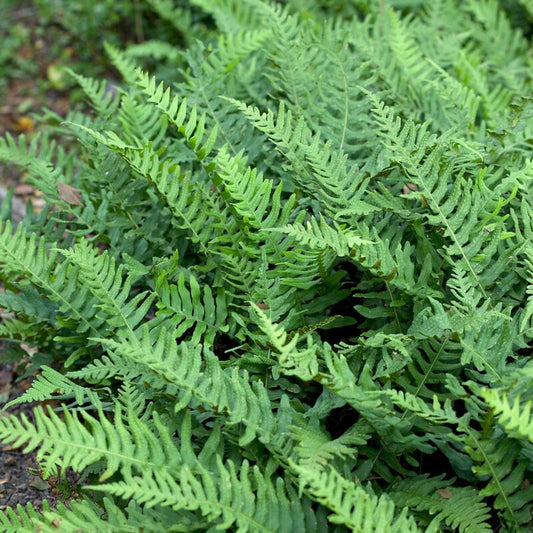
Native Evergreen Fern | Polypodium vulgare
Stays fresh all year round
- Plant in sun or dappled shade if possible
- Perfect for groundcover
- Leathery fronds with lobed leaflets
- A fully hardy, drought-tolerant evergreen
Currently out of stock
-
Regular price From £8Regular price Sale price From £8
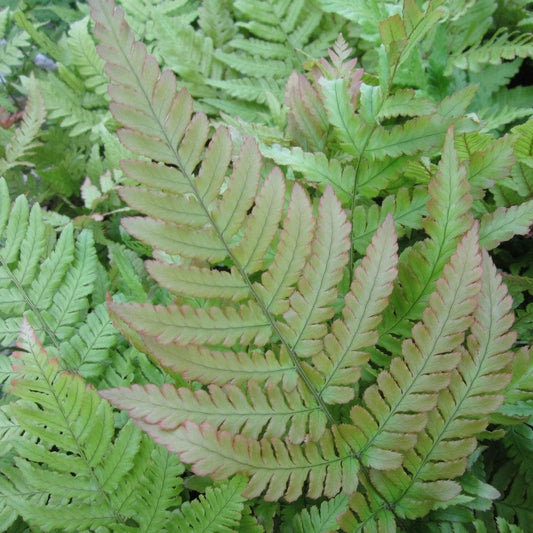
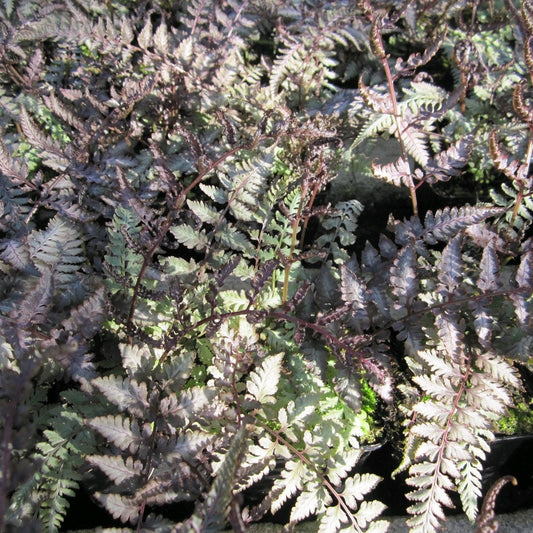
Japanese Painted Fern | Athyrium metallicum
Year-round texture and interest
- Excels in both full shade and part shade
- A great choice for damp, shady spots
- Blue, green, maroon and silver tones
- Standout choice for texture and interest
Currently out of stock
-
Regular price From £15Regular price Sale price From £15
Hardy Tree Fern | Dicksonia antarctica
Fronds as old as the dinosaurs!
- Glorious curving fronds
- Perfect for shady gardens
- Evergreen leaves up to 3m long
- RHS Award of Garden Merit winner
Currently out of stock
-
Regular price From £6Regular price
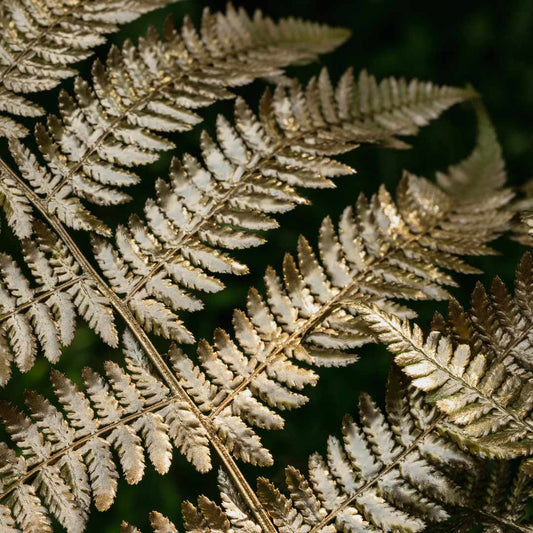
£8Sale price From £6Alpine Wood Fern | Dryopteris Wallichiana 'Jurassic Gold'
Discovered on the Jurassic coast
- Grows nicely in all shade levels
- A great option for underplanting trees
- Foliage in glinting amber shades
- Fully hardy and disease resistant
Currently out of stock
-
Regular price From £8Regular price Sale price From £8
Herrenhausen Fern | Polystichum herrenhausen
Timeless beauty, bold presence
- Grows well in both part and full shade
- An excellent woodland scheme plant
- Arching fronds with finely-toothed leaflets
- Dramatic architectural form
Currently out of stock
-
Regular price £8Regular price Sale price £8
Painted Lady Fern | Athyrium Niponicum 'Pictum'
Superb, silver-flushed foliage
- Happiest in part shade (tolerates full shade)
- Show off in a patio pot!
- Shimmering grey-green fronds
- RHS Award of Garden Merit winner
Currently out of stock
-
Regular price From £6Regular price Sale price From £6
Crested Wood Fern | 'Cristata The King'
Regal fern, majestic presence
- Partial shade is preferred
- Fabulous for a shade-covered patio
- Rich green, arching fronds with crested tips
- Create a sense of enchantment
Currently out of stock
-
Regular price From £8Regular price Sale price From £8
Rigid Shield Fern | Polystichum rigens
Architectural, rugged beauty
- Happiest in part shade (tolerates all light)
- Enhances shaded beds and borders
- Leathery fronds with overlapping leaflets
- Tolerant of drier conditions
Currently out of stock
-
Regular price From £8Regular price Sale price From £8
Autumn Fern | Dryopteris erythrosora
Captivating seasonal foliage
- Grow in everything from shade to sun
- Adds interest to shady pondsides
- Emerges copper, matures to deep green
- RHS Award of Garden Merit winner
Currently out of stock
-
Regular price From £8Regular price Sale price From £8
Lady Fern | Athyrium filix femina
An elegant, lacy, native fern
- Grow in dappled shade or full shade
- Elevates woodland beds and boders
- Feathery, soft green, arching fronds
- Easy to grow, deciduous fern
Currently out of stock
-
Regular price £15Regular price Sale price £15
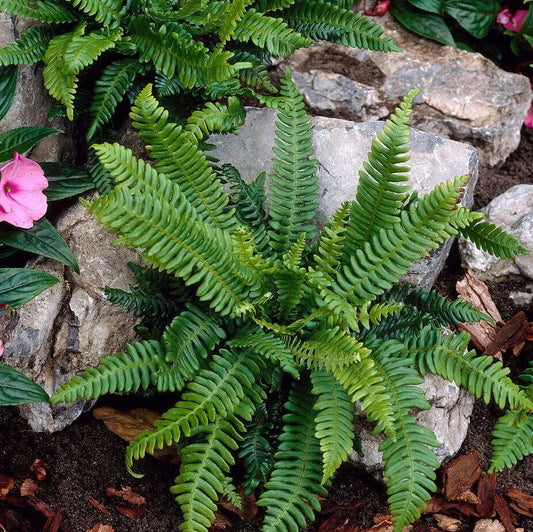
Tassel Fern | Polystichum polyblepharum
Tassel-like elegance in green
- Grows in everything from part to full shade
- Use as a feature plant on shady patios
- Foliage forms a cascade of tassels
- RHS Award of Garden Merit winner
Currently out of stock
-
Regular price From £8Regular price Sale price From £8
Lace Fern | Dryopteris Linearis Polydactila
Lace-like texture, stunning form
- Happy in all light (prefers part shade)
- Elevates shady beds and borders
- Perfect cover for wildlife
- RHS Award of Garden Merit winner
Currently out of stock
-
Regular price From £8Regular price Sale price From £8
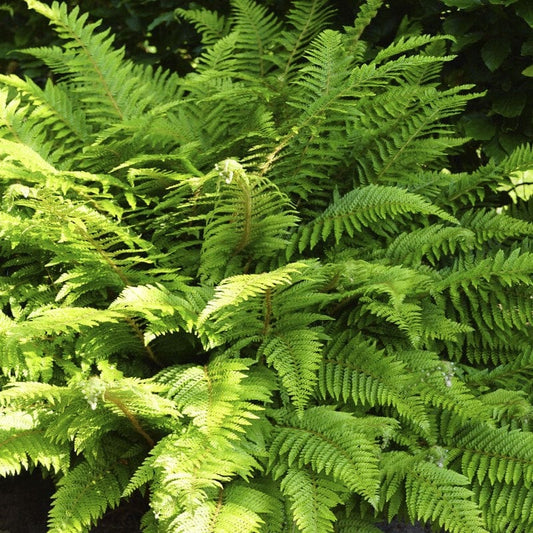
Male Fern | Dryopteris Filix Mas
Robust, timeless greenery
- Will grow nicely in all levels of light
- Convert a shady spot into a lush oasis
- Vibrant green, arching fronds
- RHS Award of Garden Merit winner
Currently out of stock
-
Regular price From £8Regular price Sale price From £8
Fragile Fern | Dryopteris lepidopoda
Delicate grace in every leaf
- Grows best in partial to full shade
- Perfect for woodland planting schemes
- Fiery sunset hues
- Delightful, airily-textured fronds
Currently out of stock
-
Regular price From £8Regular price Sale price From £8
Soft Shield Fern | Polystichum Plumosum Densum
Soft and lush, textured delight
- A position in part shade is perfect
- Instantly transform that shady garden spot
- Feathery fronds create a fluffy look
- A relatively drought-tolerant fern
Currently out of stock
-
Regular price From £8Regular price Sale price From £8
Hard Fern | Blechnum Spicant
Wild beauty for your garden
- Grows in both full shade and part shade
- Got a woodland bed? Whack in there!
- Leathery fronds grow in a tufted fashion
- RHS Award of Garden Merit winner
Currently out of stock
-
Regular price From £6Regular price Sale price From £6
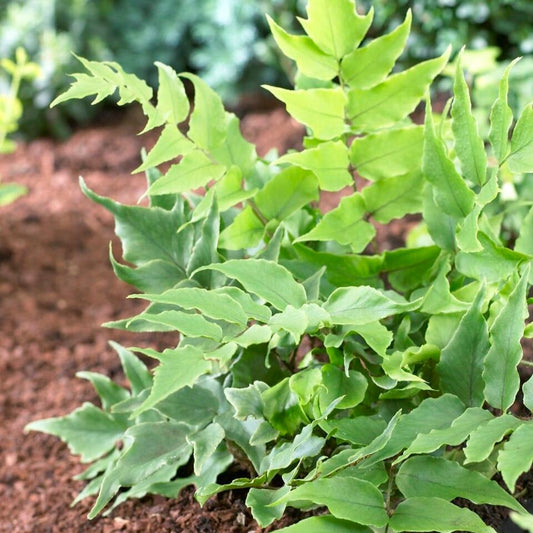
Holly Fern | Cyrtomium Clivicola
Sophistication in green
- Happy in partial to full shade
- Adds interest to shady borders
- Stunning green all year-round
- Evergreen for constant structural interest
Currently out of stock















Hereford
Meet Jack
Perennials born in Herefordshire, blooming in your garden
Our perennials start life in the rolling Herefordshire hills, where Jack and his team trial over 250 new varieties each year to bring you the best performing and most sustainable plants in the UK. With over forty years of excellence, it’s no surprise that they’ve won the HTA Plant Grower of the Year award two years running.
Need help picking?

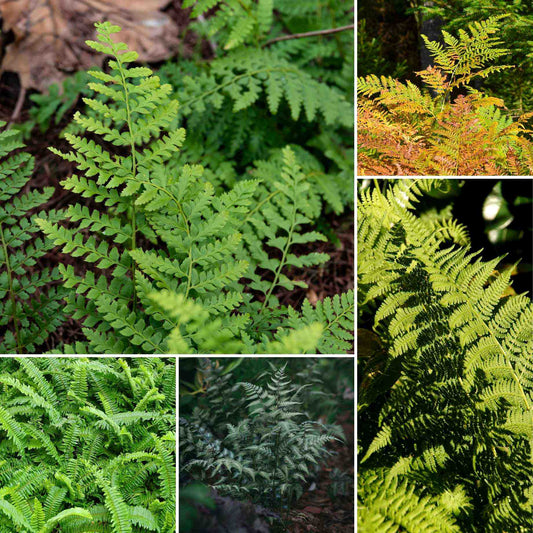
Which fern?
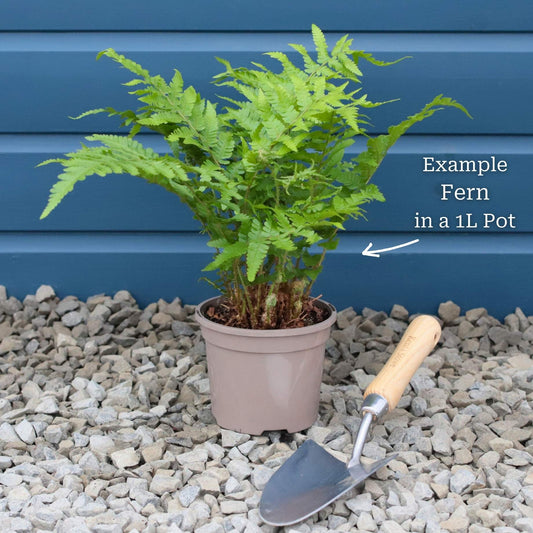
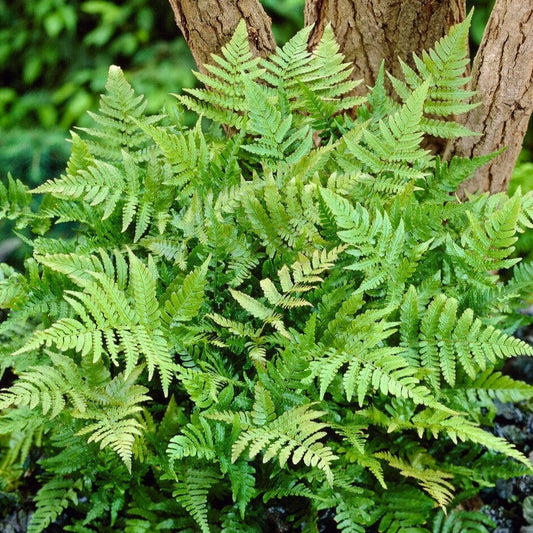
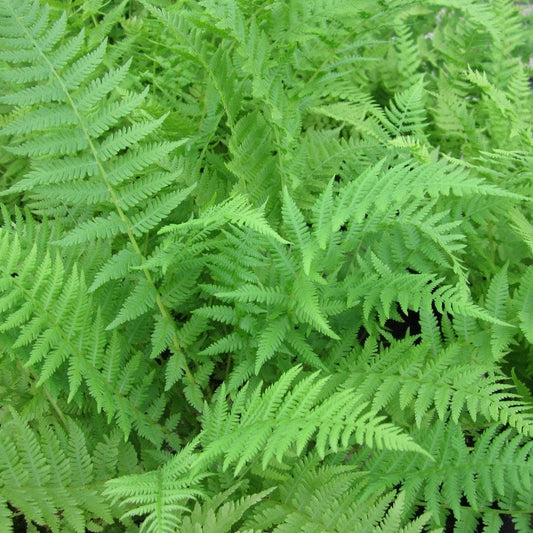
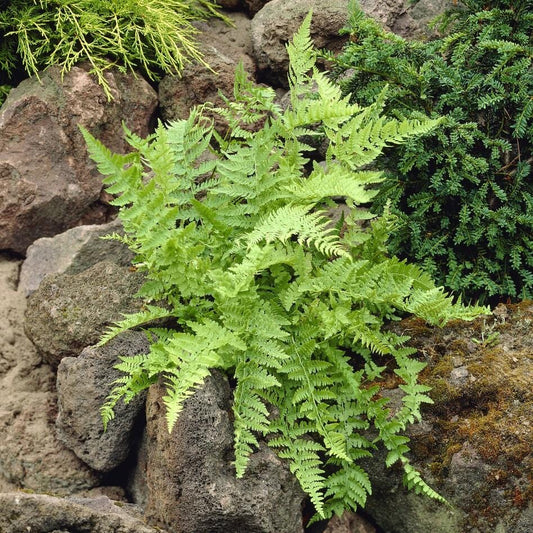
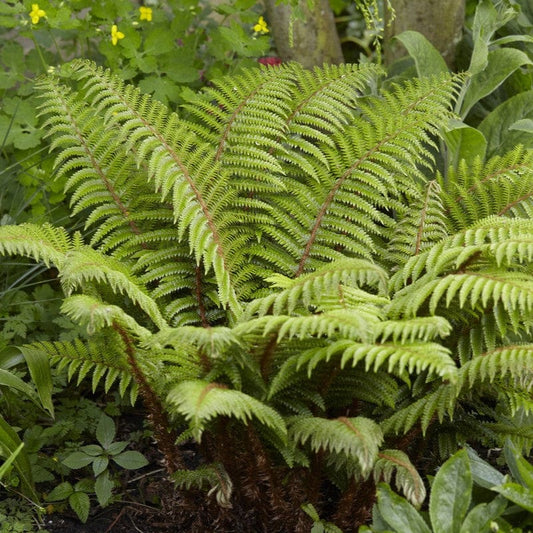
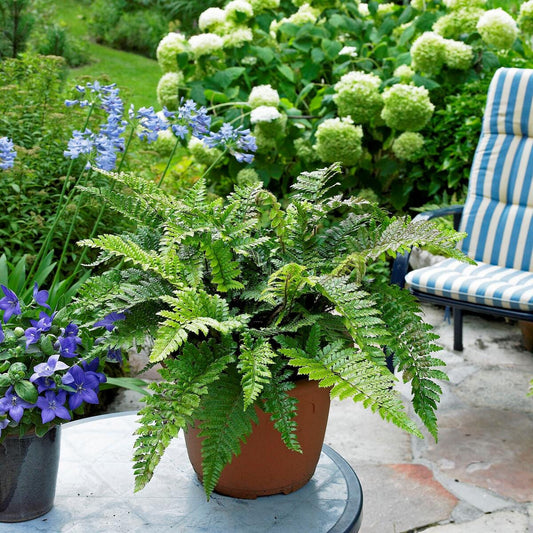
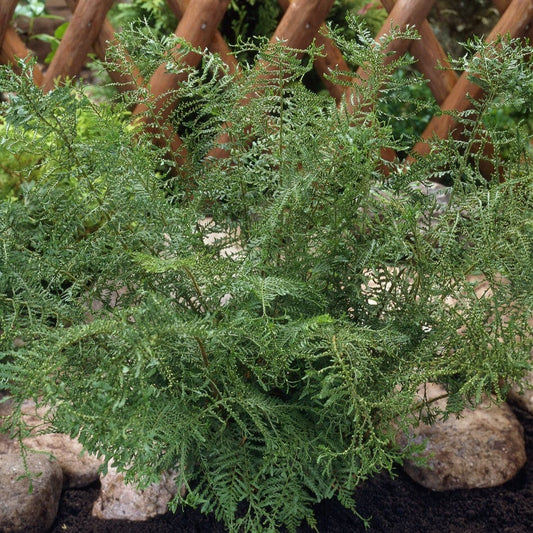
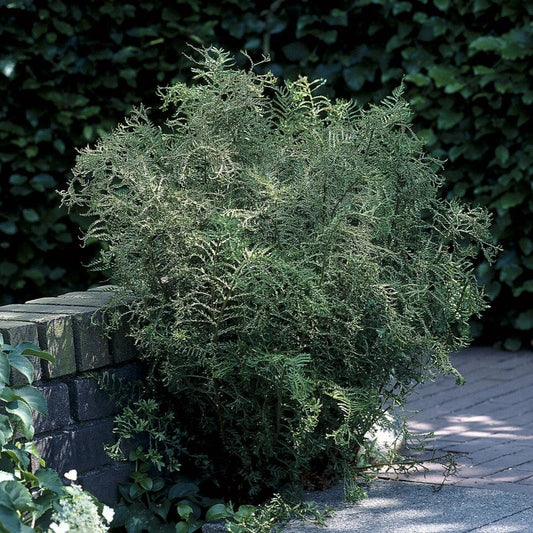
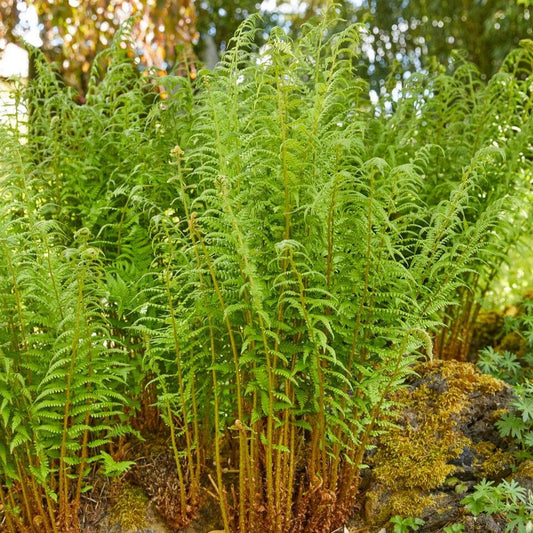
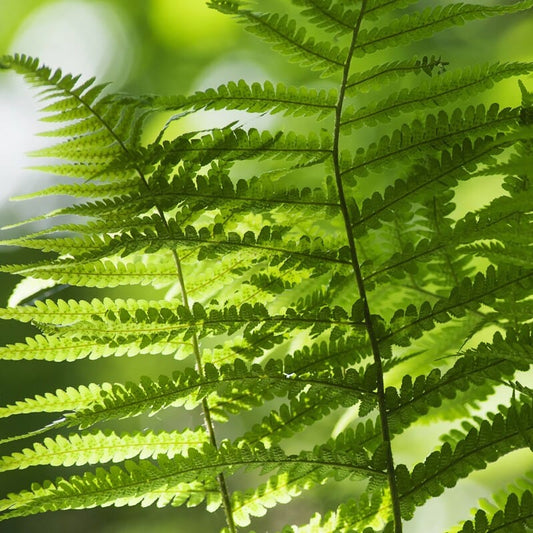
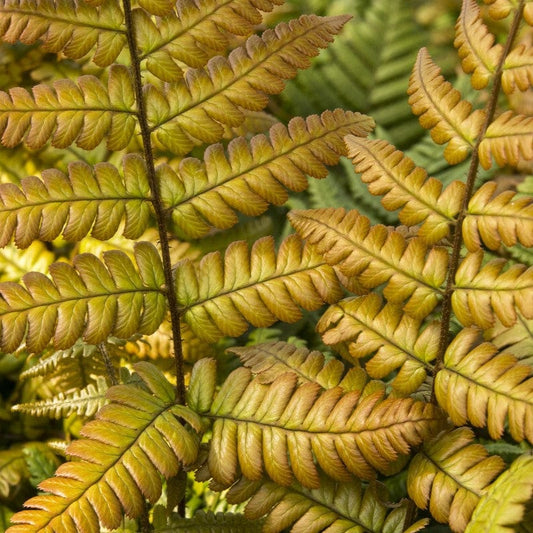
The first thing to think about is whether you want a fern with pinnate, divided fronds or undivided fronds. Another thing to consider is the size of your fern; some ferns can grow to heights of almost two metres, whilst others grow low to the ground. Do you want a UK native fern? If so, may we point you towards the Common Polypody and Hart’s Tongue. If you’re looking to create more of a globally-influenced garden, then the Japanese Painted Fern and Tassel Fern are both good choices.

Planting schemes and partners
Ferns are an absolute must for woodland gardens. They’re adaptable enough to work as a feature plant, as a backdrop for flowering perennials or to fill in shady gaps in borders. Most ferns will pair perfectly with low-growing plants like heucheras and hostas. If you want some flowers to add pops of colour amidst all that green, think about partnering your ferns with astilbes or hellebores. Some ferns are suitable to be planted by the side of a pond, alongside plants like irises.

Growing tips
Ferns are low-maintenance, non-flowering plants that provide a “frondly” face in the shadier spots of your garden. Primarily woodland plants, ferns do well in partial to full shade, with a preference for dappled light. Ferns love a moist, well-draining and nutrient-rich soil that’s brimming with organic goodness. You’ll want to water your ferns often during their first year in the ground, but beyond that, you’ll only need to water them in prolonged dry, hot spells or when the topsoil feels dry to the touch.
Ferns FAQs
Do ferns come back every year?
A perennial plant, ferns come back each year given the right conditions. There are both evergreen ferns that retain their foliage year round, as well as deciduous ferns that die back in winter, before growing back again in spring.
Do ferns like sun or shade?
Naturally found in woodlands and forests, ferns are typically happiest in partial to full shade. That said, they can also generally tolerate full sun provided their soil/compost is kept consistently moist.
What month do you plant ferns?
Ferns can be plotted at any time of year, but spring and autumn are the preferable seasons. Conditions are least likely to be extreme (either hot and dry or cold and wet) during these periods, and will give the plant the chance to properly bed itself in before any more severe climatic conditions.
Do ferns grow better in pots or in the ground?
While most ferns tend to fare better in the open ground, that’s not to say you can’t grow them in containers. The key with growing a fern in a pot is moisture. Ferns need moist conditions to thrive and the major downside with pot-growing plants is that they dry out quicker than their ground-grown counterparts. Keep on top of that with regular watering, however, and your fern(s) should do just fine.
Do fern plants need feeding?
The short answer? Not generally, no. The slightly longer answer? Most garden soils have sufficient nutrition for ferns to grow nicely, with an annual springtime mulch generally being more than enough to help ‘top everything up’, so to speak. If you’ve noticed growth is consistently poor, year after year, then consider a light application of general-purpose fertiliser in spring.
Should ferns be cut back in autumn?
If your ferns are deciduous, then you can cut these back once the fronds have yellowed and browned, you can cut them right back to the ground. For evergreen ferns, however, should be cut back in late winter or early spring, prior to the arrival of new fronds.
Are tree ferns hard to keep?
While they might require a little more care than some plants, the care requirements for tree ferns are by no means excessive. The main thing is to give them some protection through the winter months with some horticultural fleece (or bubble wrap).
Do fern plants need watering?
For the first couple of growing seasons, it helps to water your fern plant routinely to help it establish. Once established, watering only tends to be needed during hot, dry spells. It’s important that the soil is always kept moist, however, as ferns should never be allowed to completely dry out.
Plants arrived in great condition and very promptly. Well established - much better than the ones I got at my local garden centre.
Monica Spence
| 24 May

Yet again this company delivered good healthy plants, exactly as shown in photos, well packaged and within delivery time quoted. Recommend!
Jacqueline Burgess
| 2 Jun
I continue to be so impressed with Roots. Their customer care, knowledge of their subject: from planting hedges to pruning roses and more, has been a great support.
Judy Lane
| 23 Oct
The plant arrived looking vigorously healthy, which brings a smile to your face, extremely well protected in its packaging.
Martyn Hill
| 5 Jul
As a non-gardener, I found my whole experience brilliant. Great information & advice available on the website, great range of products & prices are brilliant.
John-Paul
| 22 May

Wonderful plants and great customer service... really surprised to find that the plants are better than those you would get at your local garden centre.
Gavin Wilcock
| 8 Nov
Fighting plastic waste
Delivering fresh from the nursery
Supporting UK growers