




-
Regular price £32Regular price
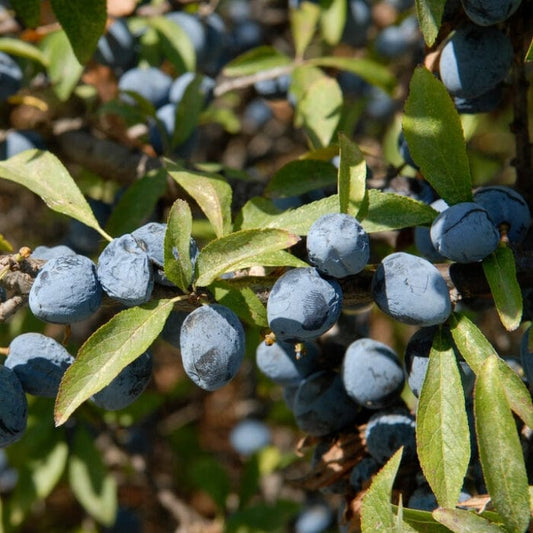
£35Sale price £32'Southampton Selection' Sloe Tree
Grow your own sloe gin!
- A tartness that's perfect for jams
- Brilliant for wildlife and pollinators
- Essential for sloe gin and hedgerow jelly!
- Harvest from October
Currently out of stock
-
Regular price £85Regular price
£87Sale price £85Patio Cherry and Plum Trees | Perfect Partners
Your balcony's new best friends
- Stone fruit grown on the patio!
- Sweet, juicy, and oh-so moreish
- RHS award-winning varieties
- Loved by pollinators
Currently out of stock
-
Regular price £70Regular price Sale price £70
Fan-Trained Plum Tree
A glorious way to use a fence
- Carefully trained into a fan shape
- Includes award-winning varieties
- Bake in a pie or make your own conserve
- Ambrosial plums, amazing flowers
Currently out of stock




Roots' Cotswolds Valley Nursery
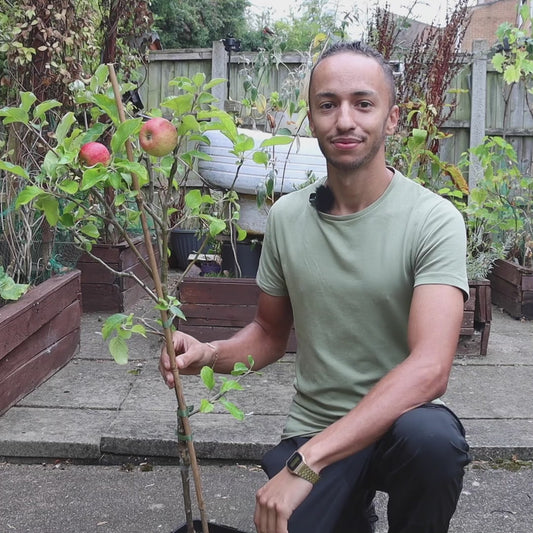
Meet Mike
Tree-growing skills honed right across the globe
Having started out in Australia, studied in Northern Ireland and volunteered at an organic farm in Sweden, it’s fair to say Mike’s done his fair share of travel on his horticultural journey, so far! Having happily laid down roots here at Roots, Mike is the don behind our tree-growing operation, imparting each and every one of his globally-honed skills to benefit your garden. Grown in our purpose-built nursery, in the ideal climatic conditions of the fertile Vale of Evesham, we’re proud to supply only the happiest, healthiest and hardiest trees.
Need help picking?

Which plum tree should I choose?
Plums, gages and damsons are all members of the Prunus domestica family. Plums are large, soft fleshed and can be used for eating or cooking, depending on the variety. They’re easy to grow. Gages are smaller, rounder and sweeter for eating but need more sun than plums. Damsons are very easy to grow, have a tart flavour and are best for cooking and jam. Plums and gages will produce a crop within three years (one to two years for smaller dwarfing varieties) while damsons may take between three and five - however it is worth the wait! 'Opal' is great for a medium to large garden. If you have a small space or want to grow in a pot, choose a patio plum tree. Here’s some more help with choosing.

What's the deal with plum tree rootstocks?
A tree’s rootstock determines how large it will grow, so it’s important to choose the right one for your space. Plum, damson or gage trees grafted on Pixy rootstocks grow to around three metres, so they’re perfect for small to medium gardens. Trees on St Julien A (SJA) rootstocks are more vigorous, reaching heights of between four and five metres.

Growers' tips for plum trees
Plum trees are easy to grow. They’re happy in most well-draining soils and prefer a sunny site. Prune them annually and they’ll reward you with many trouble free years. Many plum trees can fruit without another tree to pollinate them, but some need another plum nearby to do this for them. In theory, this means that if you only plant one plum tree, it should be a self-fertile variety. However, it’s very unlikely (unless you live in a remote area) that there won’t be another plum tree within a mile of you. If you do live in a remote area, self-fertile varieties include 'Victoria' plum and 'Farleigh' damson.
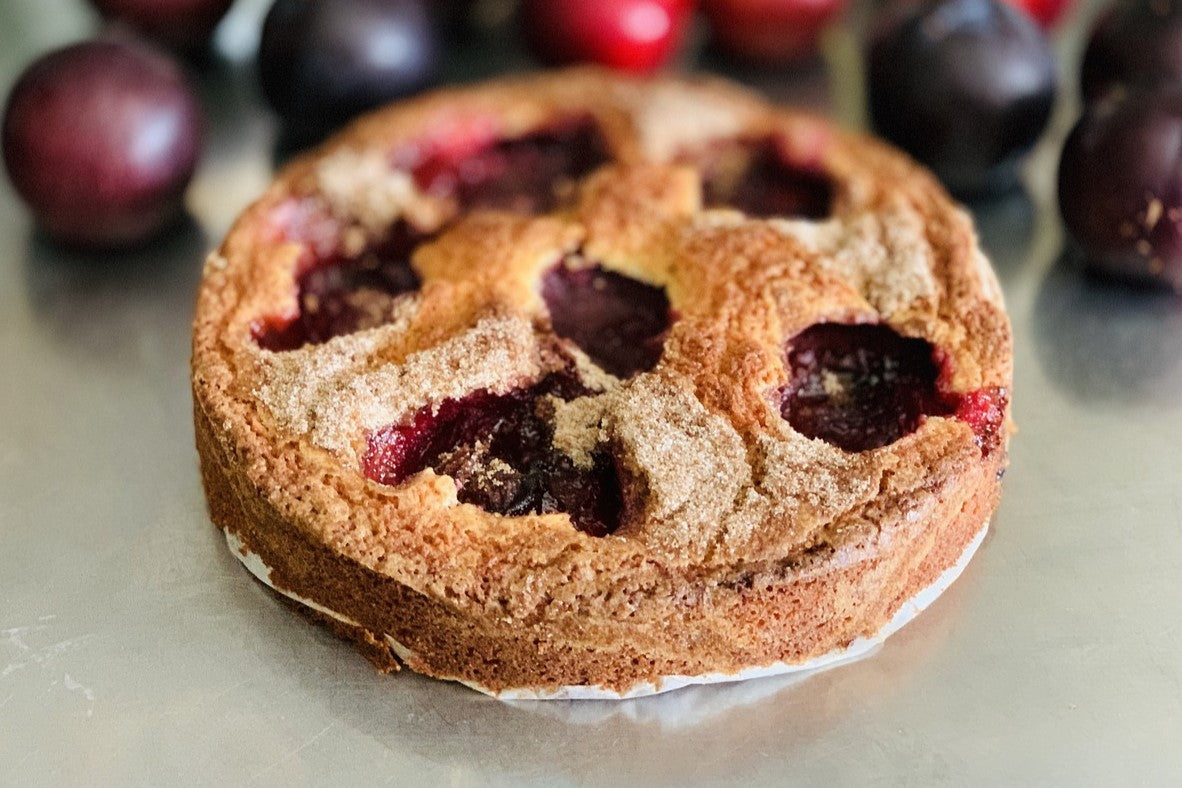
Using your homegrown plums
Plums are delicious straight from the tree, but if we know plum trees (and we know plum trees), you’ll have more than you can eat! Make them into crumble, jam, chutney and tarts or check out our favourite recipes and ideas for preserving your bumper crop. Grown your own damsons? You have to try the classic gin…
Plum Tree FAQs
Where should I plant my plum tree?
It’s best to plant your plum tree in an area that gets at least six to eight hours of direct sunlight each day. It’s also worth noting that frost can damage your trees if you plant them in low areas where there is a possibility of frost settling.
How long does it take a plum tree to produce fruit?
You may see your first plums three years after planting, but you should not expect substantial crops until the fourth/fifth year. Patience tastes like plums!
How do I care for a plum tree?
Grow plum trees in moist (but well-drained) soil in full sun. Bare root trees do not require regular watering, only during dry spells. On the other hand, container grown trees will need watering every other day for the first few months until their roots are established, slowly reducing this to twice a week until autumn. Don’t worry, there’s no need to feed! Plum trees get all the nutrients they need from the soil.
When should I plant a plum tree?
Bare root is best to plant late autumn to early spring when the trees are dormant, and potted trees are best in the summer.
Do I need to prune my plum tree?
We professionally prune our trees before dispatching them. This formative pruning can involve cutting the main leader, to stop the tree becoming 'leggy' and promote stronger, bushier growth.
Do I need two plum trees to produce fruit?
You may need two plum trees to produce fruit as many trees are not fully self-fertile. To ensure a successful crop on trees that are not self-fertile, you will need a compatible plum tree that flowers at the same time.
What are the best plum trees to grow in the UK?
Whatever your plum preference, there are plenty of varieties out there to suit all palates. Here are some of our favourites:
- Victoria Plum Tree - The UK's favourite - reliable, versatile and delicious!
- Opal Plum Tree - Superbly flavoured red dessert plum.
- Merryweather Damson Tree - The largest damson variety, great for cooking & jams.
- Old Greengage Plum Tree - Considered to have the best flavour of any plum or gage.
Plants arrived in great condition and very promptly. Well established - much better than the ones I got at my local garden centre.
Monica Spence
| 24 May

Yet again this company delivered good healthy plants, exactly as shown in photos, well packaged and within delivery time quoted. Recommend!
Jacqueline Burgess
| 2 Jun
I continue to be so impressed with Roots. Their customer care, knowledge of their subject: from planting hedges to pruning roses and more, has been a great support.
Judy Lane
| 23 Oct
The plant arrived looking vigorously healthy, which brings a smile to your face, extremely well protected in its packaging.
Martyn Hill
| 5 Jul
As a non-gardener, I found my whole experience brilliant. Great information & advice available on the website, great range of products & prices are brilliant.
John-Paul
| 22 May

Wonderful plants and great customer service... really surprised to find that the plants are better than those you would get at your local garden centre.
Gavin Wilcock
| 8 Nov
Fighting plastic waste
Delivering fresh from the nursery
Supporting UK growers