



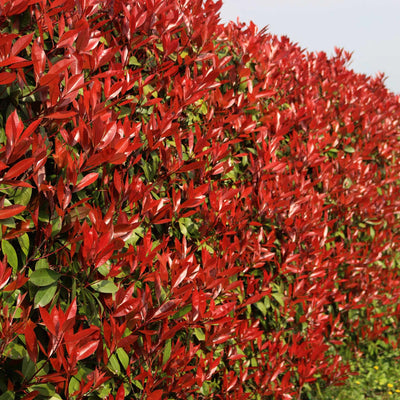


-
Regular price From £8Regular price Sale price From £8
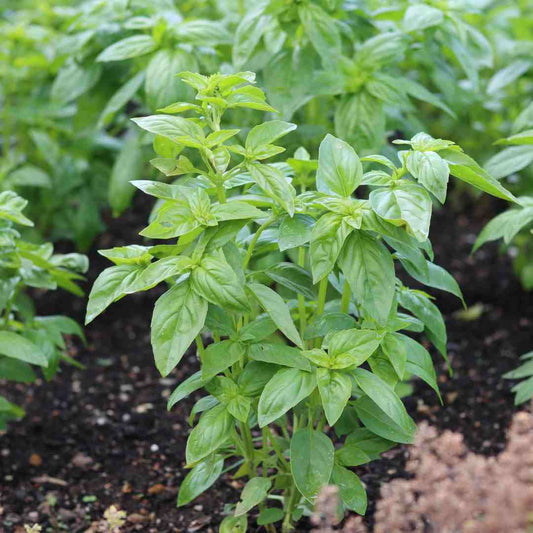
British Basil Plants
The best herb? Could well be!
- Punchy herbal flavour with sweet notes
- Perfect for growing on the window sill
- Ideal for creamy tomato soups
- Harvest your basil from June to October
Currently out of stock
-
Regular price From £8Regular price Sale price From £8
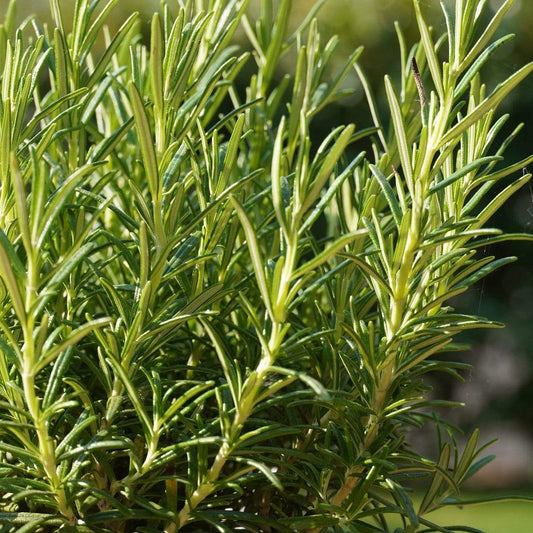
Rosemary Plants
An unbeatable kitchen staple
- Classic lemon-pine, peppery, herby flavour
- RHS Plants for Pollinators
- Perfect for studding roast lamb
- Harvest throughout the year
Currently out of stock
-
Regular price From £8Regular price Sale price From £8
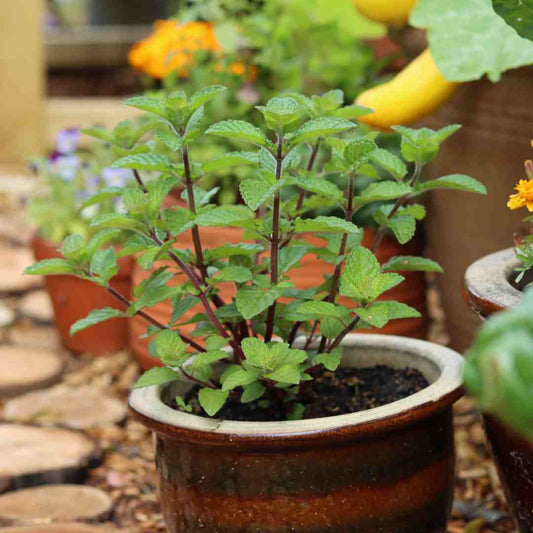
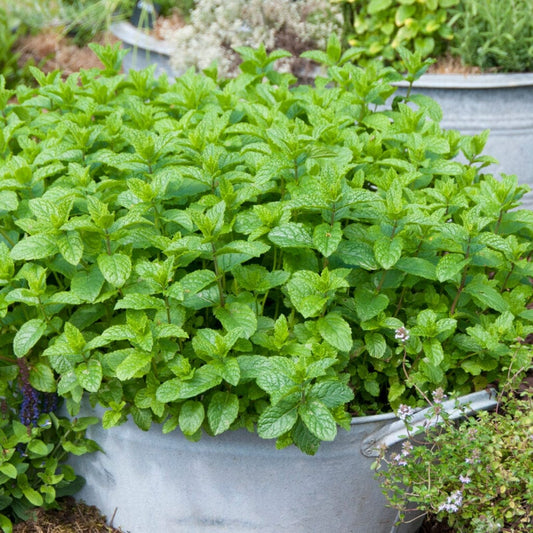
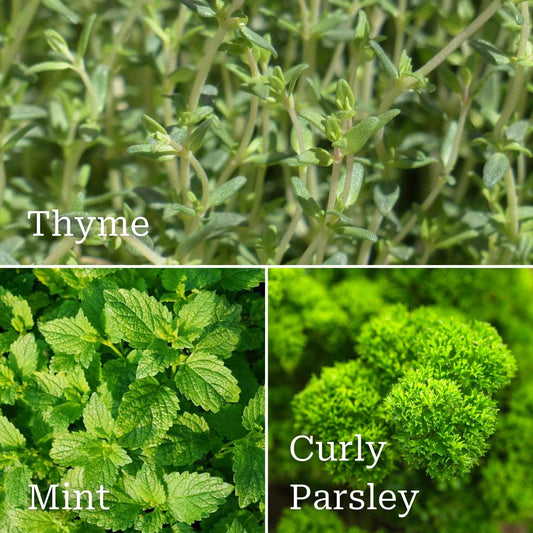
Garden Mint Plants
Fresh and fabulously fragrant
- The classic cool and refreshing flavour
- RHS Plants for Pollinators
- Make your own mint juleps!
- Pick your mint from June to November
Currently out of stock
-
Regular price From £7Regular price Sale price From £7
Thyme Plants
A kitchen staple, fresh all year
- Intense, almost mint-like, herby flavour
- RHS Plants for Pollinators
- Whip up a thyme and garlic butter
- Pick your thyme all year long
Currently out of stock
-
Regular price From £8Regular price Sale price From £8
French Tarragon Plant
Levels up dressings and sauces
- Bold, peppery flavour with liquorice notes
- Low maintenance and suitable for cuttings
- Your ticket to dreamy béarnaise sauce
- Harvest from May through to October
Currently out of stock
-
Regular price From £8Regular price Sale price From £8
Chives Plant
Snip, sprinkle and salivate
- Delicate notes of onion and garlic
- RHS Plants for Pollinators
- Bake a cheese and chive soda bread loaf
- Best harvested from May to September
Currently out of stock
-
Regular price From £8Regular price Sale price From £8
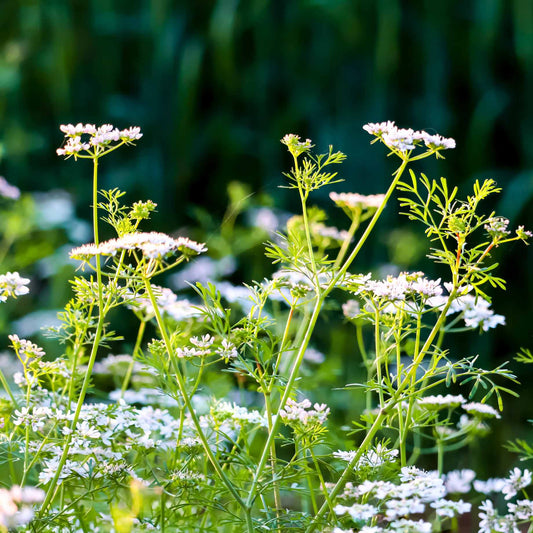
Coriander Plant
Always fresh when you need it
- Highly aromatic with a fresh, citrusy flavour
- Easy to grow with no pruning needed
- Pair with carrots for a warming soup
- Pick your coriander from June to October
Currently out of stock
-
Regular price From £8Regular price Sale price From £8
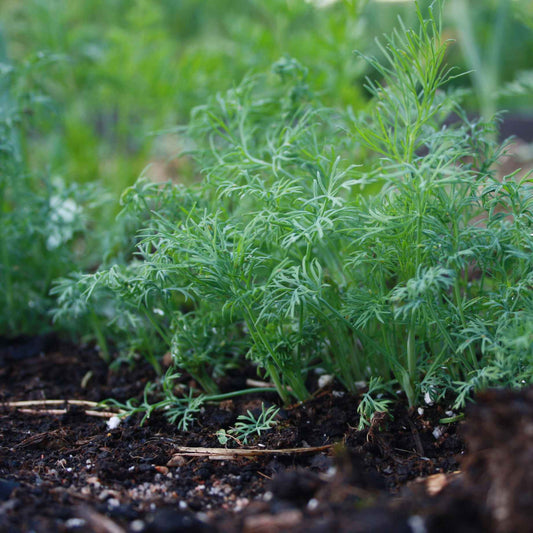
Dill Plant
The secret in the 'secret sauce'
- Citrusy and sweet with aniseed undertones
- RHS Plants for Pollinators
- Serve in a creamy sauce with salmon
- Best harvested between May and October
Currently out of stock
-
Regular price From £7Regular price Sale price From £7
Common Sage Plant
Be wise, grow sage
- Aromatic foliage with an earthy flavour
- RHS Plants for Pollinators
- Use in a hearty pork and cider hotpot
- Pick your sage from May to October
Currently out of stock
-
Regular price From £8Regular price Sale price From £8
Oregano Plant
Small plants with big flavour!
- Boasts an earthy, herbal flavour profile
- RHS Plants for Pollinators
- Excellent for Greek and Italian recipes
- Harvest your oregano from May to October
Currently out of stock
-
Regular price From £7Regular price Sale price From £7
Moroccan Mint Plant
Perfect for traditional teas
- Punchy, complex mintiness
- RHS Plants for Pollinators
- A perfect dessert garnish
- Harvest from May to October
Currently out of stock
-
Regular price From £7Regular price Sale price From £7
Curly Parsley Plant
A palate-cleansing flavour hit
- Tangy leaves with a clean, peppery taste
- Full of iron (and vitamins A, C and K)
- Elevate your garlic bread game
- Harvest from July to September
Currently out of stock
-
Regular price From £8Regular price Sale price From £8
Lemon Thyme Plant
Mild citrus flavour in herb form
- Dellicate and subtle lemony flavour
- RHS Plants for Pollinators
- Rustle up some lemon thyme shortbread
- Enjoy your thyme from May to October
Currently out of stock
-
Regular price From £18Regular price
£48Sale price From £18Herb Garden in a Box
All the herbs you need!
- Includes mint, rosemary, thyme and more
- Attractive flowers that pollinators love
- Take your cooking from good to great!
- Harvest throughout the year
Currently out of stock
-
Regular price £18Regular price Sale price £18
Mediterranean Herb Plants Collection
Bring the holiday vibes
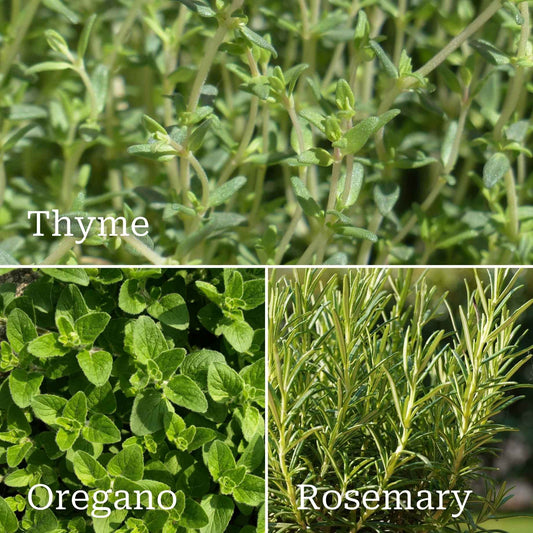
- Includes rosemary, oregano and thyme plants
- Incredibly easy to grow, cut-and-come-again!
- Elevate your pasta and fish dishes
- Harvest throughout the year
Currently out of stock
-
Regular price From £8Regular price Sale price From £8
Lemon Balm Plant
The scent of the Mediterranean
- Warm citrus flavour and heady lemon fragrance
- Grow indoors or out, in pots or in beds
- Great for spring salad vinaigrettes
- Best picked between May and October
Currently out of stock
-
Regular price From £4.50Regular price
£9Sale price From £4.50Borage Plant
A classic cottage garden herb
- Light cucumber flavour and fragrance
- RHS Plants for Pollinators
- Try your hand at a borage leaf soup
- Pick your leaves from June to November
Currently out of stock
-
Regular price From £8Regular price Sale price From £8
Green Fennel Plant
Gloriously aromatic foliage
- Aniseed flavour that sweetens when cooked
- RHS Plants for Pollinators
- Cook a cheesy gratin with the bulbs
- Harvest your fennel from June to October
Currently out of stock
-
Regular price From £8Regular price Sale price From £8
'Hot & Spicy' Oregano Plant
A herb that brings the heat!
- Aromatic with a kick of chilli heat
- RHS Plants for Pollinators
- Packs some punch into a Mexican pozole
- Best picked in summer (but harvest any time)
Currently out of stock
-
Regular price From £4Regular price
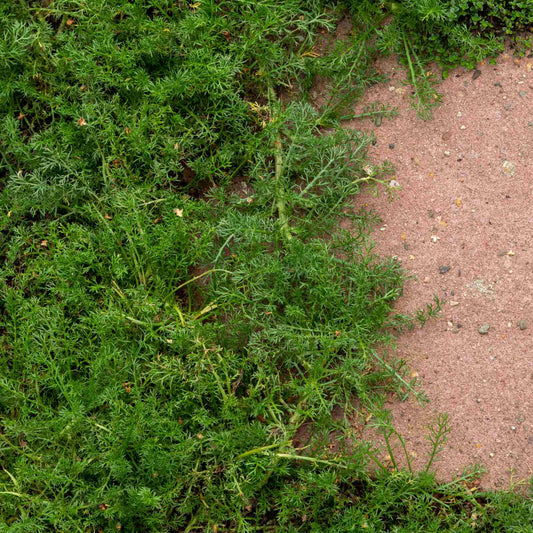
£8Sale price From £4'Treneague' Lawn Chamomile Plant
A perfect grass alternative
- Rosettes of fabulous vivid green foliage
- Low maintenance – no mowing needed!
- Ideal for weed suppression
- Wonderfully aromatic
Currently out of stock
-
Regular price From £8Regular price Sale price From £8
Bronze Fennel Plant
Beautiful bronze-purple foliage
- Traditional fennel flavour (sweet anise)
- RHS Plants for Pollinators
- Chop the fronds and add to pestos
- Ready to be picked between June and October
Currently out of stock
-
Regular price From £7Regular price Sale price From £7
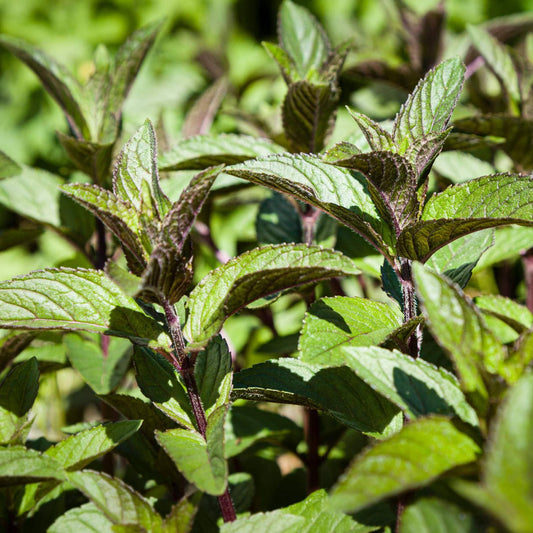
Black Pepper Mint Plant
A spicy hit of big mint flavour
- Clears sinuses in a jiffy
- Plant in large pots in your kitchen garden
- Try it with strawberries or in a G&T
- Harvest from May to October
Currently out of stock
-
Regular price From £8Regular price Sale price From £8
Chervil Plant
Instantly elevates any dish
- Boasts a sweet, aniseed flavour
- Grow in patio pots or on a windowsill
- Perfect for livening up sauces and salads
- Harvest from June to October
Currently out of stock
-
Regular price From £7Regular price Sale price From £7
Golden Thyme Plant
Golden, lemon-scented leaves
- Classic thyme flavour with citrusy notes
- RHS Award of Garden Merit winner
- Mix with honey and water in a herbal tea
- Use your thyme from May to October
Currently out of stock
-
Regular price £18Regular price Sale price £18
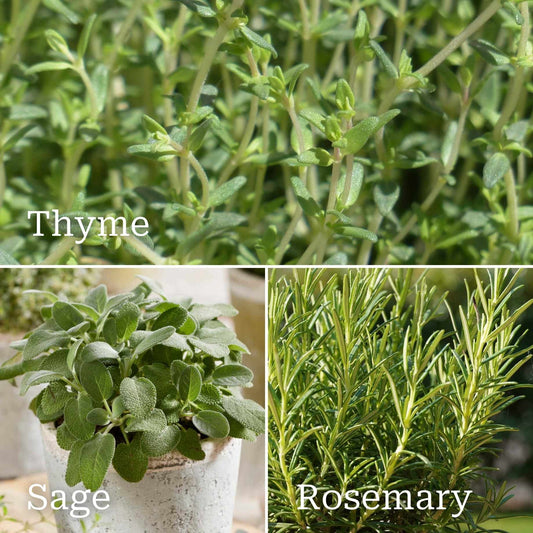
Evergreen Herb Collection
Herby goodness all year round!
- Includes thyme, sage and rosemary plants
- Create a mini herb garden using a planter
- Add to sauces, soups and stews
- Harvest throughout the year
Currently out of stock
-
Regular price From £7Regular price Sale price From £7
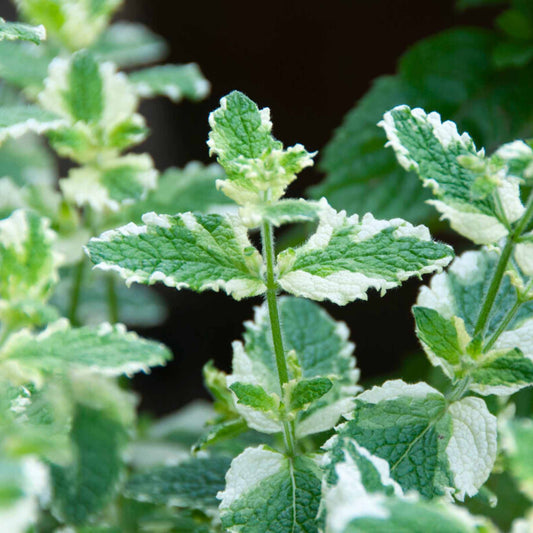
Variegated Mint Plant
Looks as good as it tastes
- Instant minty freshness
- Grow in patio pots or on a windowsill
- Ideal for teas and jazzing up fruit salads
- Harvest from May to October
Currently out of stock
-
Regular price £18Regular price Sale price £18
Indoor Herb Plants Collection
Grow herbs from the window sill
- Includes thyme, mint and parsley plants
- Pick your herbs without leaving the house
- Use instead of dried, jarred herbs
- Harvest throughout the year
Currently out of stock



















Roots' Cotswolds Valley Nursery
Meet Cameron
An experienced hand from seed to harvest
When it comes to veg plants, if Cameron doesn’t know about it? It ain’t worth knowing. They’re one of his horticultural passions and the quality of the produce he – well, produces – at the nursery is testament to that fact. Cameron pairs time-honoured horticultural traditions alongside the very best modern techniques in our fabulous, purpose-built nursery in Evesham. With a background that saw him place at the Grand Finals at the Young Horticultural Awards back in 2022, we’re proud to have someone that really knows his onions.
Need help picking?

Which herbs should I choose?
Choose your herbs according to what you like to cook - fresh coriander for Indian, Thai and Korean dishes; basil, thyme and oregano for Mediterranean cuisine; rosemary and sage for warming stews and roasts; or lemon balm and mint for herbal teas. Perennial herbs like mint and rosemary will do well outside, and growing herbs indoors is easy too. Keep favourites like British Basil, Garden Mint and Flatleaf Parsley in terracotta pots on the kitchen windowsill, ready to snip and sprinkle.

Growers' tips
Most herbs are very easy to grow and care for. Most prefer sunny sheltered areas with plenty of warmth, but the more hardy perennials like rosemary and chives will thrive in partial shade and can be left outside all year round. With more vigorous growers like mint, prune it lightly every couple of months (and use the cuttings) to keep the plants producing more healthy young leaves. Watch our short video guide to create your own windowsill herb garden.

Using your herbs
Elevate every dish you cook by using freshly picked herbs - when you grow your own you can experiment a little! Try your crops in risotto, couscous salad and pesto (with classic basil or substitute your favourites), throw a sprig of rosemary on the barbecue coals or grow your own herbal tea. Why not invent your own signature salsa verde or house herb blend? To make your herbs last longer, freeze them or dry them.
Herb Plant FAQs
How often should I water my herb plants?
The frequency of watering your herb plants depends on factors like the specific herbs, local climate, and the type of soil. Most herbs prefer well-draining soil in general. When the top inch of soil feels dry to the touch, water it. Water thoroughly, allowing excess water to drain away. During hot weather, outdoor herbs may require more frequent watering, whereas indoor herbs may require less. Watering schedules should be adjusted based on the specific needs of each herb and environmental conditions, with the goal of maintaining consistent moisture without waterlogging.
What type of soil is best for growing herbs?
A well-draining, light, and fertile mix is ideal for growing herbs. To improve drainage and nutrient content, use a high-quality potting mix or amend garden soil with organic matter such as compost. Herbs thrive in soil that is slightly acidic to neutral, with a pH ranging from 6.0 to 7.0. To avoid waterlogged roots, good drainage is essential, and the soil should be loose enough to allow for healthy root development. To maintain optimal growing conditions for your herbs, check the soil texture on a regular basis and amend it as needed.
Can I grow herbs indoors?
Yes, herbs can be grown indoors successfully! To do so, make sure your herbs get enough light, preferably from a south-facing window or with artificial grow lights. Use soil with good drainage and provide adequate watering, allowing the topsoil to dry between waterings. Maintain a consistent temperature, ideally between 15-24°C, and ensure adequate air circulation. Choose appropriate container sizes with drainage holes, and consider applying a balanced liquid fertiliser every 2-4 weeks during the growing season. Basil, mint, parsley, and chives are among the most commonly used indoor herbs.
Do herbs need full sunlight, or can they thrive in partial shade?
Most herbs prefer full sun to thrive, with at least 6 hours of direct sunlight per day. However, some herbs can tolerate partial shade, which means they can thrive with 3-6 hours of sunlight or dappled sunlight. Herbs like basil, rosemary, and thyme thrive in direct sunlight, whereas mint, parsley, and coriander can tolerate partial shade. If growing herbs indoors, place them near a south-facing window or use artificial grow lights to ensure healthy growth.
What are some common pests that affect herb plants, and how can I control them?
Aphids, spider mites, and whiteflies are among the most common pests that attack herb plants. Control them by inspecting plants on a regular basis, applying insecticidal soap or neem oil, and promoting natural predators such as ladybirds. Maintain good plant hygiene, ensure proper watering, and isolate affected plants as needed.
When is the best time to harvest herbs for maximum flavour?
The best time to harvest herbs for maximum flavour is usually in the morning, just after the dew has dried but before the sun becomes too hot. This is when the essential oils that contribute to flavour are at their best. Harvesting before flowering typically results in more robust flavours. To cut stems, use clean, sharp scissors or pruning shears, and don't take more than one-third of the plant at once to allow for future growth.
How do I prune and maintain the shape of my herb plants?
Pruning herb plants maintains shape and promotes bushier growth. Trim the tips of the stems with clean, sharp scissors or pruning shears, removing approximately one-third of the plant at a time. Cutting above a pair of leaves or nodes will encourage branching. Regularly remove any yellow or dead leaves. Trim herbs before they flower for optimal flavour. Pinch back the tips during the growing season to avoid legginess and promote a compact shape.
What herbs are suitable for container gardening?
Many herbs thrive in container gardens, making them ideal for small areas or balconies. Common container herbs include basil, mint, parsley, chives, thyme, rosemary, and oregano. Compact varieties are ideal for ensuring proper drainage in containers to prevent waterlogging. Choose a well-draining potting mix and container sizes based on the mature size of the herbs. Container gardening allows for easy portability, making it possible to bring herbs indoors during inclement weather.
How do I fertilise my herb garden, and how often is it necessary?
Throughout the growing season, fertilise your herb garden with a balanced, water-soluble fertiliser every 2-4 weeks. Use a half-strength solution to avoid excessive fertilisation. To avoid burning the leaves, apply the fertiliser to moist soil rather than the leaves themselves. Adjust the frequency to meet your herbs' specific needs, and stop fertilising during the dormant season. Consider using organic options such as compost or well-rotted manure to provide a natural and slow-release nutrient boost.
Are there companion plants that can benefit or harm herb growth?
Yes, companion plants can affect herb growth. Marigolds, which repel nematodes, and basil, which can improve the flavour and growth of tomatoes and other herbs, are two beneficial herb companions. Planting rosemary alongside beans can deter pests that harm the beans. Certain plants, such as fennel, can compete for resources and inhibit the growth of nearby herbs like coriander. Consider companion planting to help create a harmonious and mutually beneficial herb garden!
What is the lifespan of herb plants, and how often should I replant them?
Herb plants have varying life cycles, but many are classified as annuals or biennials. Annual herbs such as basil and coriander typically complete their life cycle in a single growing season, whereas biennials such as parsley may last two seasons. Perennial herbs, like rosemary and thyme, can live for many years. Annuals and biennials should be replanted every growing season to ensure a consistent herb supply. Perennials may need to be replaced every 3-5 years or when they show signs of decline, but regular pruning and maintenance can help them last longer.
Do herbs attract beneficial insects to the garden?
Yes, herbs can attract beneficial insects to your garden. Many herbs produce fragrant flowers and aromatic compounds that attract pollinators like bees and butterflies, which boosts overall garden biodiversity. Herbs like basil, dill, and coriander can also attract predatory insects like ladybirds and hoverflies, which help control pests. Including a variety of herbs in your garden can help to balance the ecosystem and promote natural pest control.
Are there herbs that are particularly well-suited for beginners to grow?
Certainly, several herbs are ideal for beginners due to their ease of care and adaptability. Basil is an excellent choice because it grows quickly and thrives in a variety of environments. Mint is also a good choice for beginners, but it should be planted in a container because it can grow quickly. Other resilient herbs that are relatively easy for beginners to grow include chives, parsley, and thyme. These herbs can tolerate a wide range of growing conditions and are forgiving of minor mistakes in care, making them ideal for those new to gardening.
Plants arrived in great condition and very promptly. Well established - much better than the ones I got at my local garden centre.
Monica Spence
| 24 May

Yet again this company delivered good healthy plants, exactly as shown in photos, well packaged and within delivery time quoted. Recommend!
Jacqueline Burgess
| 2 Jun
I continue to be so impressed with Roots. Their customer care, knowledge of their subject: from planting hedges to pruning roses and more, has been a great support.
Judy Lane
| 23 Oct
The plant arrived looking vigorously healthy, which brings a smile to your face, extremely well protected in its packaging.
Martyn Hill
| 5 Jul
As a non-gardener, I found my whole experience brilliant. Great information & advice available on the website, great range of products & prices are brilliant.
John-Paul
| 22 May

Wonderful plants and great customer service... really surprised to find that the plants are better than those you would get at your local garden centre.
Gavin Wilcock
| 8 Nov
Fighting plastic waste
Delivering fresh from the nursery
Supporting UK growers