




-
Regular price From £65Regular price Sale price From £65
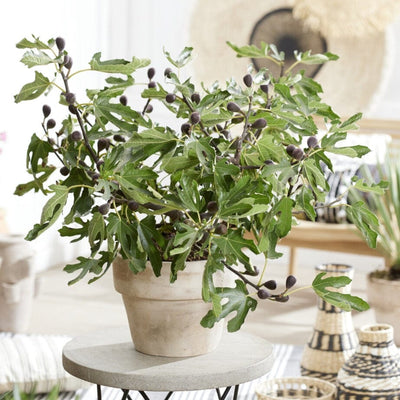
'Goutte d'Or' Fig Tree
The drop of gold fig
- Decadent, juicy and sweet
- Perfect for pots!
- Roast with honey or bake in a pie
- Biferous (harvests in June and August)
1 option available
-
Regular price From £28Regular price Sale price From £28
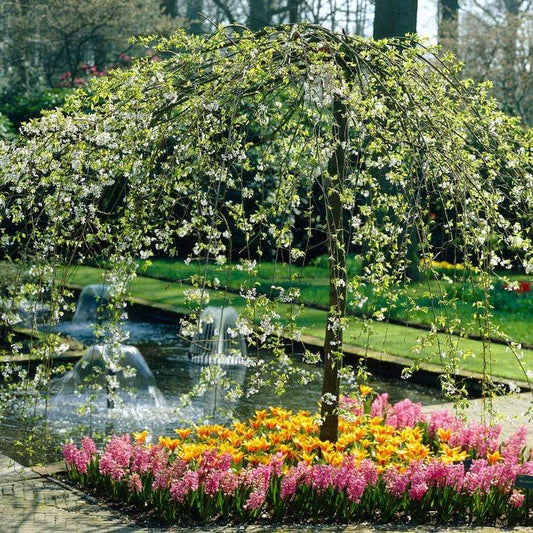
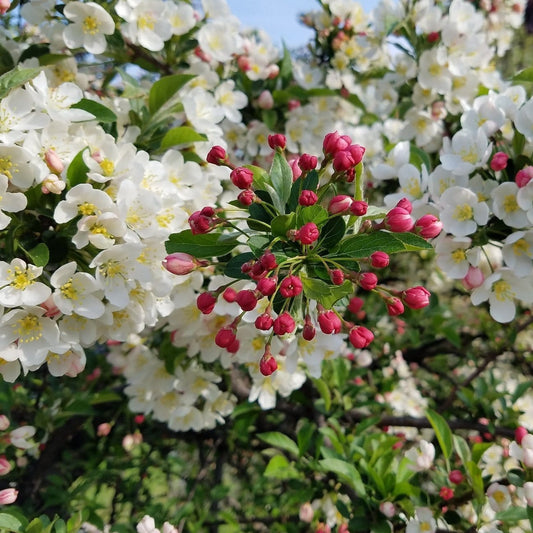
'Sun Rival' Crabapple Tree
The perfect specimen tree
- A beautifully weeping, small tree
- Medium tree - grows up to 5m
- White blooms emerge from carmine pink buds
- Award of Garden Merit winner
2 options available
-
Regular price From £60Regular price Sale price From £60
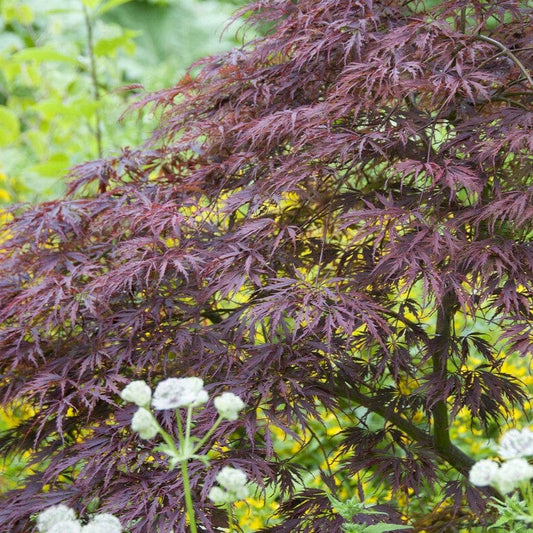
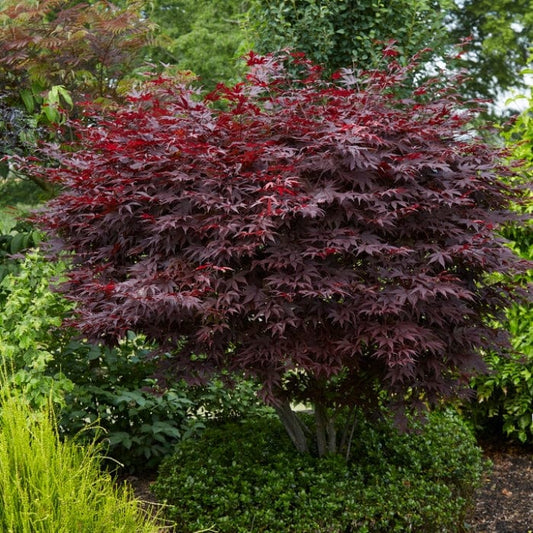
Japanese Maple Tree | Acer palmatum dissectum 'Tamukeyama'
Unbeatable burgundy foliage
- Gently spreading tree
- Small tree - grows to approximately 1.5m
- Lacy, deciduous leaves
- A spectrum of purples and reds
1 option available
-
Regular price From £28Regular price Sale price From £28
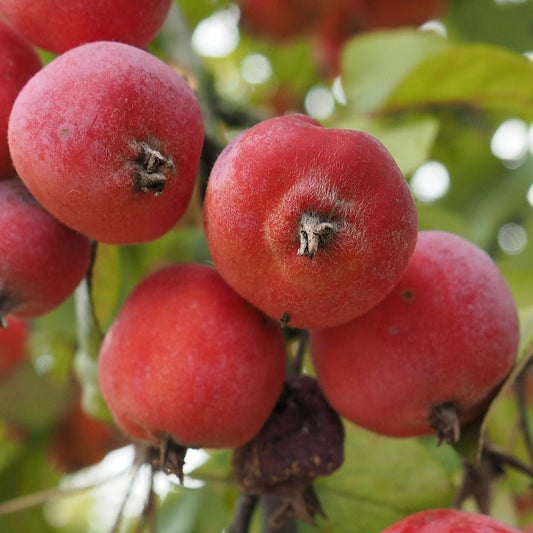
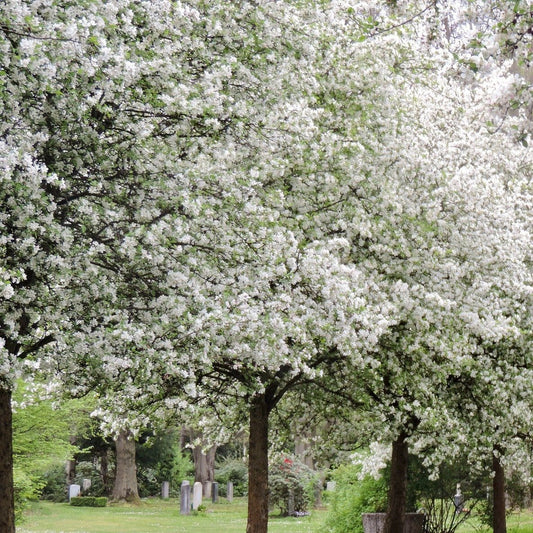
'Jelly King' Crabapple Tree
The best for jam-making
- A proudly spreading tree
- Medium tree - grows up to 4m
- Myriad linen-white flowers appear in spring
- Harvests increase with age
2 options available
-
Regular price £30Regular price
£35Sale price £30Patio Crabapple Tree | Malus 'Evereste'
The pinnacle of patio pomes
- Delightful clear-stemmed patio tree
- Small tree - grows up to 1.5m (when pruned)
- Dark green foliage turning orange in autumn
- RHS Award of Garden Merit winner
1 option available
-
Regular price From £28Regular price Sale price From £28
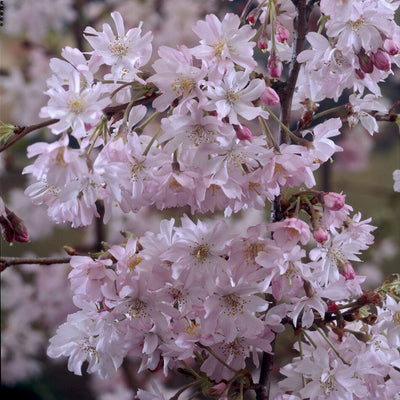
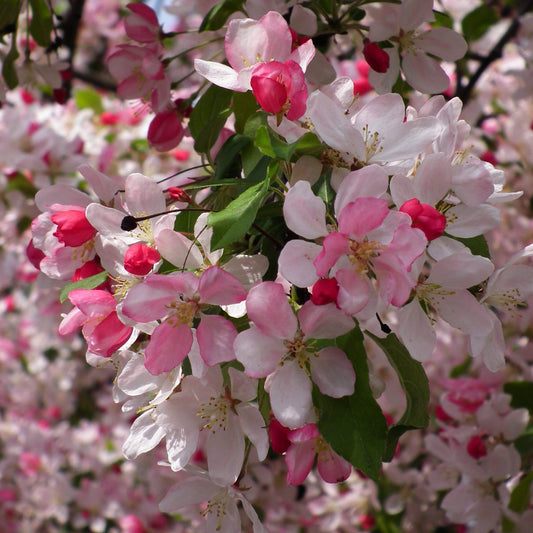
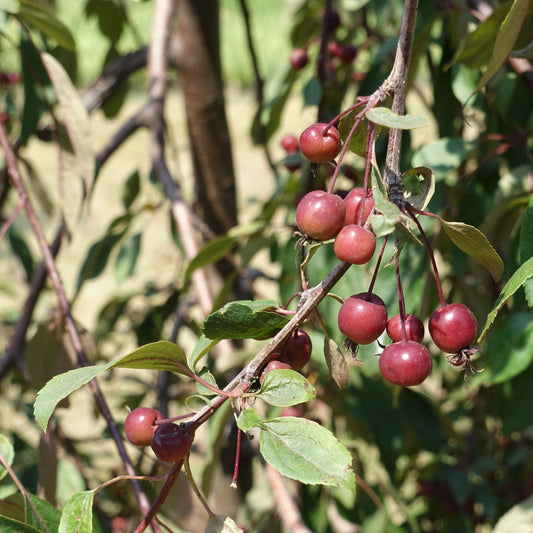
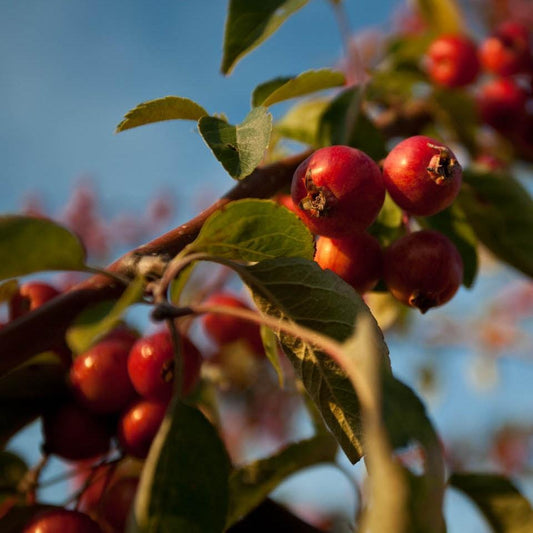
'Pink Glow' Crabapple Tree
Makes outstanding jelly
- A delightful, spreading tree
- Medium tree - grows up to 4m
- Scented white flowers with a pink blush
- Great disease resistance
2 options available
-
Regular price From £28Regular price
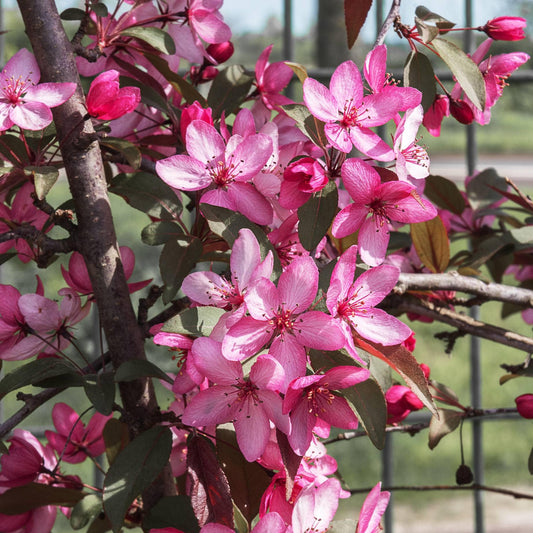
£34Sale price From £28Purple Weeping Crabapple Tree | Malus 'Royal Beauty'
Pendulous perfection
- A beautifully weeping tree
- Small tree - grows up to 3m
- Single, magenta blossoms in spring
- Perfect for pots and compact gardens
2 options available
-
Regular price From £150Regular price Sale price From £150
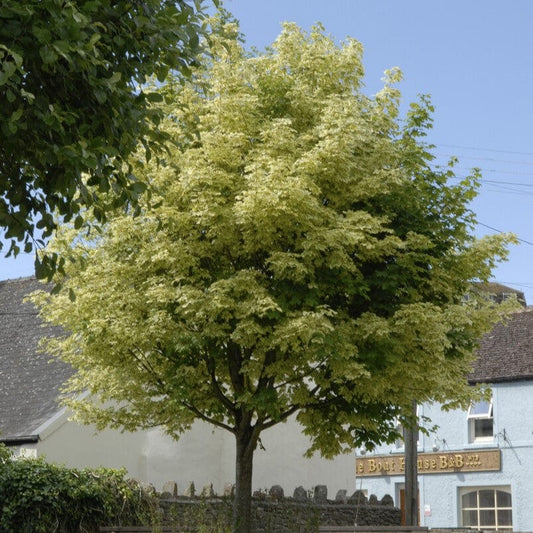
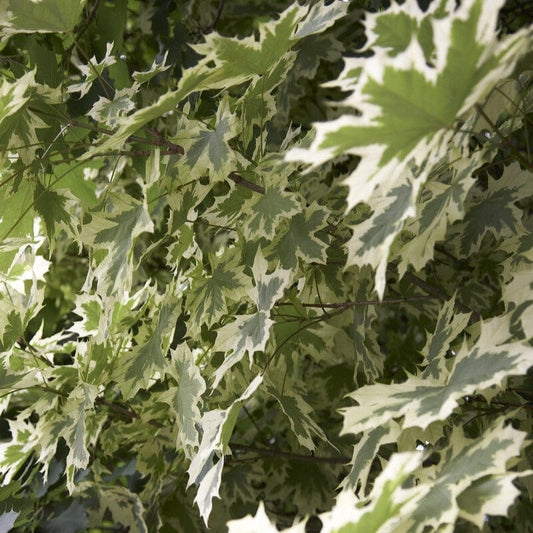
Acer platanoides 'Drummondii' | Variegated Maple Tree
Glorious cream-margined leaves
- Bushy, oval (sometimes rounded) tree
- Large tree - up to 12m (can be kept shorter)
- Stunning cream and green variegated leaves
- Exceptional autumn hues of orange and bronze
1 option available
-
Regular price £30Regular price
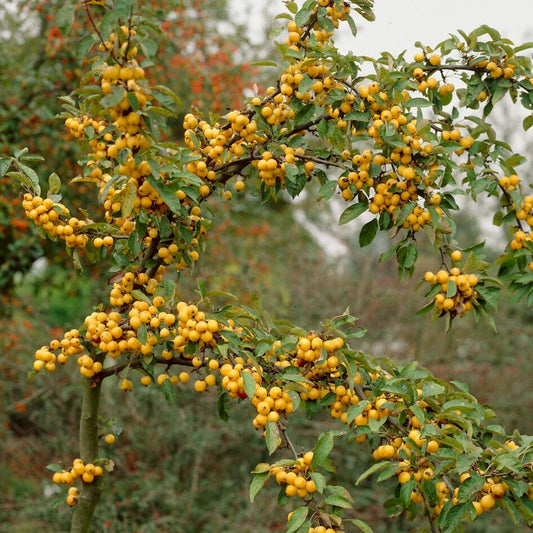
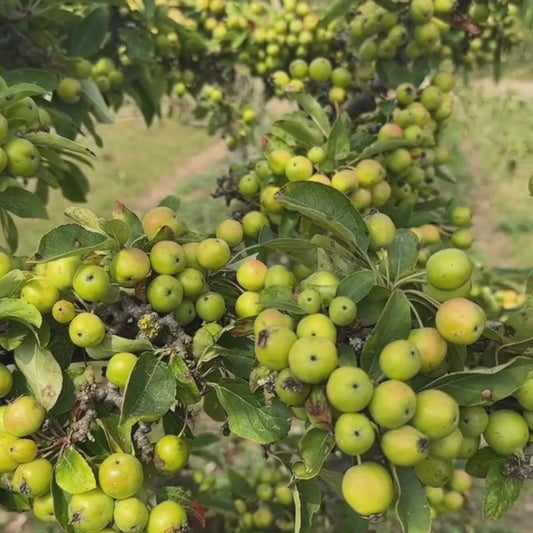
£55Sale price £30'Golden Hornet' Crabapple Tree
Glorious bright yellow fruits
- A broad, spreading tree
- Medium tree - grows up to 4m
- White springtime blossom with a hint of pink
- Loved by thrushes and blackbirds
1 option available
-
Regular price From £32Regular price Sale price From £32
'Czar' Plum Tree
Award-winning heavyweight
- A naturally sharper-tasting plum
- RHS Award of Garden Merit winner
- Make a plum sauce to serve with dumplings
- Harvest from early August to September
1 option available
-
Regular price £50Regular price
£60Sale price £50'Professor Sprenger' Crabapple Tree
Perfect for pollinators
- A rounded, spreading tree
- Medium tree - grows up to 6m
- Scented white blooms in spring
- Golden yellow leaves in autumn
1 option available
-
Regular price From £38Regular price Sale price From £38
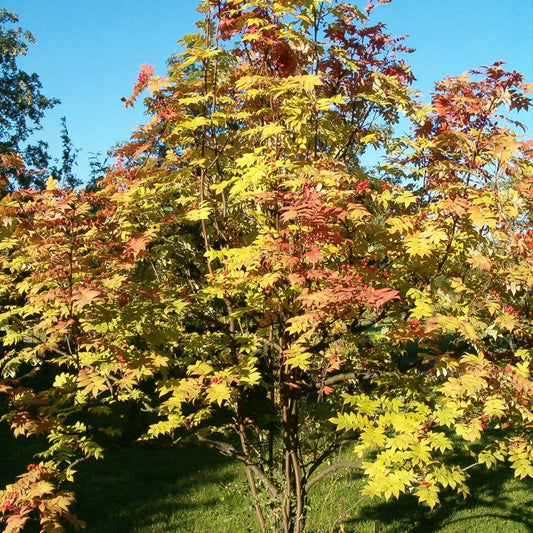
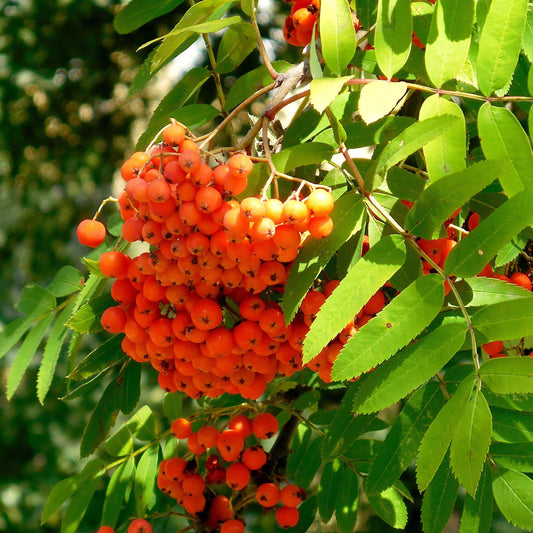
Scarlet Japanese Rowan Tree | Sorbus commixta 'Embley'
Incredible autumn colour!
- Upright, bushy tree
- Medium tree - grows up to 8m
- Autumnal hues of purple, red and orange
- Attracts all manner of birds to your garden
3 options available
-
Regular price From £55Regular price Sale price From £55
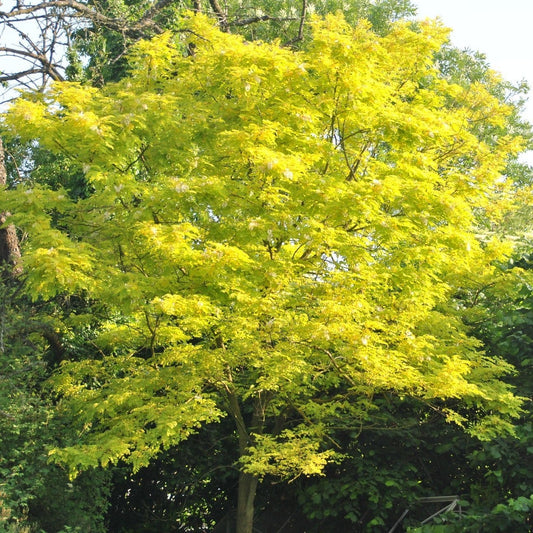
Honeylocust Tree | Gleditsia triacanthos 'Sunburst'
A spectacular sunny display
- Bushy, rounded tree
- Large tree – grows up to 12m
- Bright yellow leaves turn green with age
- Thornless (unlike other honeylocust trees)
1 option available
-
Regular price From £35Regular price Sale price From £35
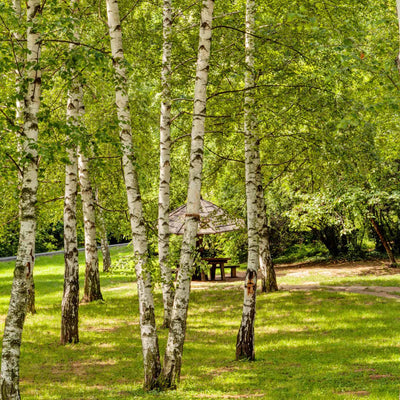
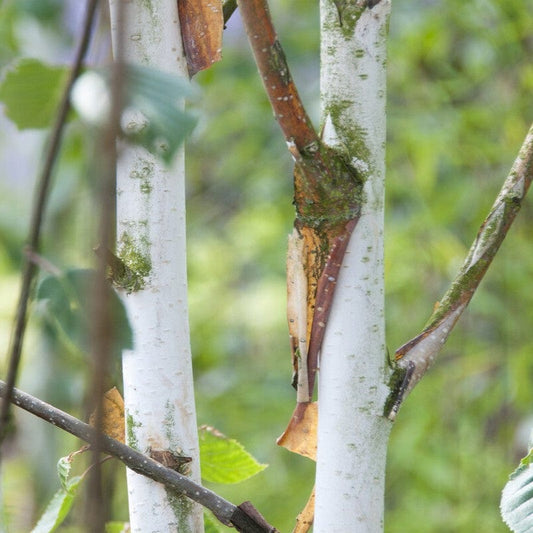
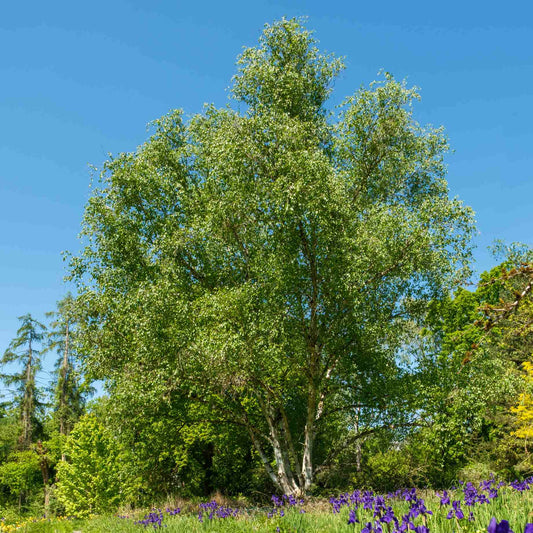
Snow Queen Himalayan Birch Tree | Betula utilis jacquemontii 'Doorenbos'
The brightest bark of all
- Elegant oval tree
- Large tree - grows to 12m
- Lush green foliage turning yellow in autumn
- RHS Award of Garden Merit winner
1 option available
-
Regular price From £35Regular price
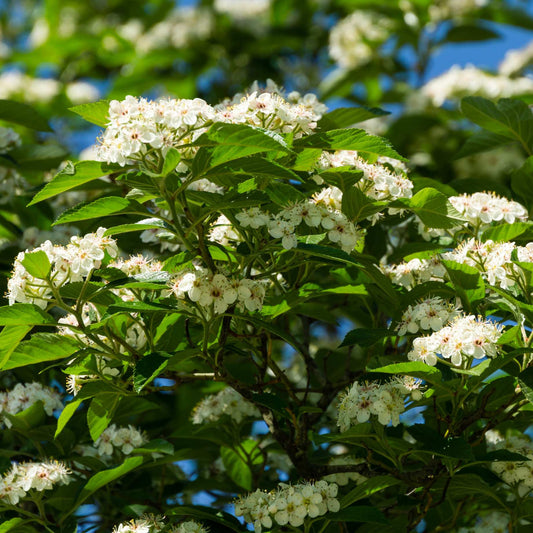
£38Sale price From £35Broad-Leaved Cockspur Thorn Tree | Crataegus persimilis 'Prunifolia'
An unbeatable floral display
- Broad and bushy tree
- Medium tree - grows up to 5m
- Clusters of single white blooms in spring
- RHS Award of Garden Merit winner
1 option available
-
Regular price From £40Regular price Sale price From £40
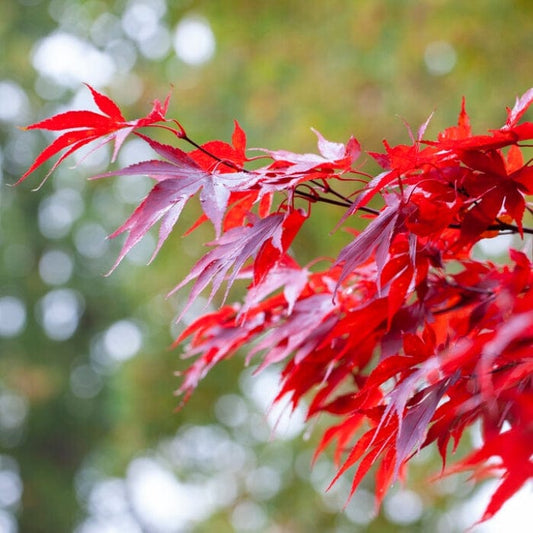
Red Japanese Maple Tree | Acer palmatum 'Fireglow'
A glowing palette of colour
- Upright and bushy tree
- Medium tree - grows to 4m
- An array of red, green and purple foliage
- Ideal for small gardens or containers
1 option available
-
Regular price £55Regular price
£60Sale price £55'Montreal Beauty' Crabapple Tree
Beautiful in every season
- A compact, bushy tree
- Medium tree - grows up to 4m
- Masses of white blossom in spring
- Fruits that look like rosy apple sweets!
1 option available
-
Regular price From £70Regular price Sale price From £70
Japanese Maple Tree | Acer palmatum 'Katsura'
An unbeatable feature tree
- Bushy, vase-shaped tree
- Small tree - grows to 3m
- Yellow-orange leaves which mature to green
- RHS Award of Garden Merit winner
1 option available
-
Regular price From £35Regular price Sale price From £35
Patio Holly Tree | Ilex aquifolium 'Alaska'
Bright red winter berries
- Clear-stemmed, upright patio tree
- Small tree - grows up to 1.5m (when pruned)
- Glossy green, spiny leaves and red berries
- RHS Plants for Pollinators
2 options available
-
Regular price £55Regular price
£60Sale price £55Eastern Redbud Tree | Cercis canadensis
Pink blooms illuminate the sky
- Vase-shaped to rounded tree
- Medium tree - grows up to 10m
- Heart-shaped foliage and myriad pink blooms
- Foliage possesses a fabulous papery quality
1 option available
-
Regular price From £38Regular price Sale price From £38
'Copper Kettle' Rowan Tree | Sorbus
Unique copper-coloured berries
- Spreading, upright tree
- Medium tree - grows up to 5m
- Green leaves, white blooms, bright berries
- RHS Award of Garden Merit winner
1 option available
-
Regular price From £32Regular price
£37Sale price From £32'Petite Poire' Pear Tree
Small but utterly mighty
- Bite-sized hits of sweet juiciness
- Can be grown in a container
- Perfect for snacking and lunchboxes
- Harvest from September
2 options available
-
Regular price From £85Regular price
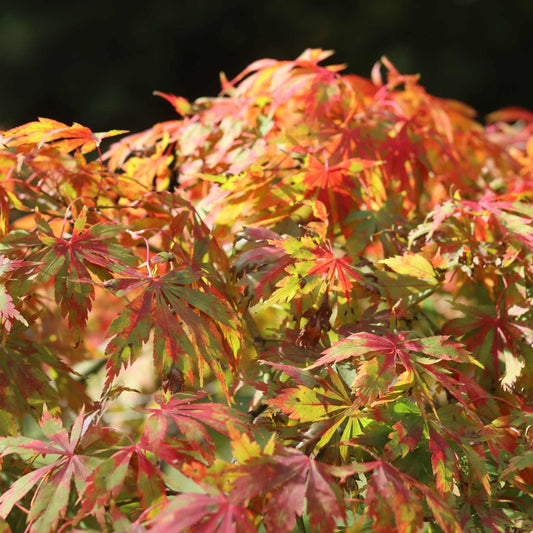
£90Sale price From £85Japanese Maple Tree | Acer palmatum 'Orange Dream'
Grows beautifully in a pot
- A naturally spreading, bushy tree
- Small tree - grows to 3m
- Deeply-lobed leaves (in green and orange)
- RHS Award of Garden Merit winner
1 option available
-
Regular price From £38Regular price Sale price From £38
Cut Leaf Rowan Tree | Sorbus 'Chinese Lace'
Exceptionally bright red berries
- Neat, upright tree
- Medium tree - grows up to 6m
- Dark green, finely-cut leaflets (turning red)
- Ideal for city and roadside gardens
1 option available
-
Regular price From £65Regular price
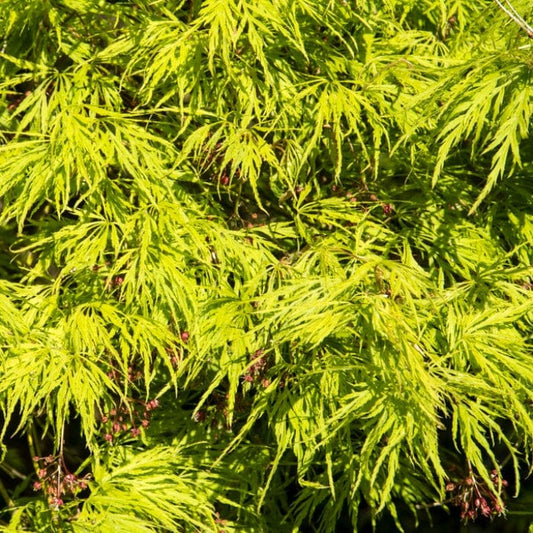
£70Sale price From £65Green Weeping Japanese Maple Tree | Acer palmatum 'Dissectum'
Low-growing, high impact
- Bushy, gently weeping tree
- Small tree - grows to 2.5m
- Leaves turn red, orange and yellow in autumn
- Can be grown in containers
3 options available
-
Regular price From £65Regular price
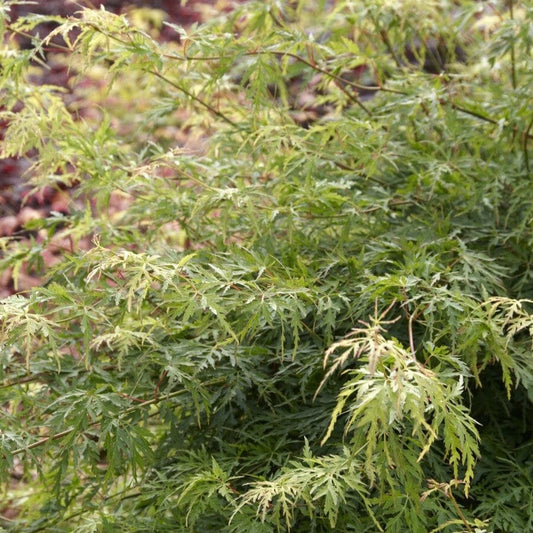
£70Sale price From £65Japanese Maple Tree | Acer palmatum dissectum 'Seiryu'
Seiryuously stunning!
- An upright, shrubby tree
- Small tree - grows to 4m
- Bright green leaves take on fiery autumn hues
- RHS Award of Garden Merit winner
1 option available
-
Regular price £50Regular price Sale price £50
'Royal Raindrops' Crabapple Tree
Punchy-pink blossom clouds
- Broadly upright tree
- Medium tree - grows up to 6m
- Deeply-cut foliage with intense pink blooms
- Excellent resistance to scab and rust
1 option available















Roots' Cotswolds Valley Nursery
Meet Mike
Tree-growing skills honed right across the globe
Having started out in Australia, studied in Northern Ireland and volunteered at an organic farm in Sweden, it’s fair to say Mike’s done his fair share of travel on his horticultural journey, so far! Having happily laid down roots here at Roots, Mike is the don behind our tree-growing operation, imparting each and every one of his globally-honed skills to benefit your garden. Grown in our purpose-built nursery, in the ideal climatic conditions of the fertile Vale of Evesham, we’re proud to supply only the happiest, healthiest and hardiest trees.
Need help picking?

Which trees grow well in shade?
There are a number of trees that grow nicely in shade, which is good news for those gardens not blessed with lots of sunlight. There are both deciduous and evergreen options, all offering a range of different appeals. Take the humble Japanese maple, for example. Certain varieties actually prefer a partially-shaded spot over direct sunlight, as the latter can lead to leaf scorch. Green-leaved varieties are particularly-suited to deeper shade. Other suitable trees for more shaded locations include dogwood, amelanchier, redbud, katsura, holly, hornbeam, crabapple and magnolia trees.

Caring for trees for shade
Generally speaking, once established trees for shade require little by way of maintenance. Unless they fall within a rain ‘shadow’ – in which case a bit more watering is required – most require less watering than trees grown in full sunlight, as the soil dries out less quickly. Give your tree a mulch every spring; this will help both retain moisture and suppress competition from weeds and grass. Prior to mulching, you can apply some slow-release general fertilliser, though most trees will be fine without this. Pruning requirements will vary from tree to tree, but typically most will be fine with just a light trim each year to remove dead, damaged or diseased branches.

Planting schemes for trees for shade
There are two planting schemes that immediately spring to mind when considering trees for shade: Japanese and woodland gardens. The former features trees like acers and magnolias, which tend to perform well in slightly shadier areas, while the latter comprises all sorts of trees adapted to growing in the dappled light or understorey of forests and woods. This includes plants like tree ferns, yew and hazel.
Trees for Shade FAQs
What is the best tree to grow in shade?
Various trees grow well in shadier conditions, including yew, holly and Portuguese laurel, while various others grow well in dappled/partial shade, including Japanese maples, flowering dogwoods, rowans and some beech trees.
What is the fastest-growing tree to provide shade?
Certain willows and poplars are two of the fastest-growing trees to provide some shade, with weeping willows growing up to a whopping two-and-a-half metres per year given the appropriate conditions.
How do you look after trees for shade?
Trees for shade are looked after in a very similar manner to any other tree; that’s to say, water your tree well to help establishment, and then during hot, dry spells thereafter. Consider mulching and feeding with slow-release fertiliser in spring and trim away dead, damaged or diseased branches as and when you see them. For more specific care requirements, see each tree’s individual product page or one of our comprehensive guides.
Plants arrived in great condition and very promptly. Well established - much better than the ones I got at my local garden centre.
Monica Spence
| 24 May

Yet again this company delivered good healthy plants, exactly as shown in photos, well packaged and within delivery time quoted. Recommend!
Jacqueline Burgess
| 2 Jun
I continue to be so impressed with Roots. Their customer care, knowledge of their subject: from planting hedges to pruning roses and more, has been a great support.
Judy Lane
| 23 Oct
The plant arrived looking vigorously healthy, which brings a smile to your face, extremely well protected in its packaging.
Martyn Hill
| 5 Jul
As a non-gardener, I found my whole experience brilliant. Great information & advice available on the website, great range of products & prices are brilliant.
John-Paul
| 22 May

Wonderful plants and great customer service... really surprised to find that the plants are better than those you would get at your local garden centre.
Gavin Wilcock
| 8 Nov
Fighting plastic waste
Delivering fresh from the nursery
Supporting UK growers