

Related articles



Container Gardening: A Beginner’s Guide


Outdoor space comes at a premium, now so more than ever. The desire to get fingers green is a direct rebuttal to the digital age we now find ourselves mired in, where scrolling has replaced scarifying and delving down TikTok rabbit holes has become preferable to digging into loamy earth. It’s no wonder, then, that there’s been a surge in the practice of container gardening – gardeners are realising that a lack of space doesn’t have to mean a lack of garden.
In this post, we’ll be delving into all things container gardening, looking at the types of plants you can grow in troughs, pots and planters (from fresh salad leaves to stunning perennials), the best materials for container gardening (plastic and terracotta) and some considerations when growing plants in containers (more frequent watering, repotting with age, etc). First, though, let’s look at what container gardening actually is.
Jump to:
- What is container gardening?
- What can you grow in containers?
- What kind of pots are best for container gardening?
- Considerations for growing plants in containers
- Design tips for container gardening
What is container gardening?
Container gardening is as broad a term as it is simple to define: it refers to growing plants in pots, planters, upturned old sink basins or just about any other receptacle you can get your hands on that could offer a good home to plants. It’s popular with gardeners for whom outdoor space is limited to just a balcony, patio or terrace.
It’s also a good option for gardeners whose garden soil conditions are naturally pretty poor. Someone with heavy clay soil, for instance, might opt to grow in containers to give their plants more favourable conditions (like a loam-based, multipurpose compost). Likewise, if you’re looking to grow plants with specialist needs (blueberries needing acidic soil, for example) then it can be easier to grow in a container, rather than amending your entire garden’s soil profile.
What can you grow in containers?
You can grow all sorts of plants in containers, but generally speaking, it’s better to grow plants that don’t need to establish a deep root system, because while you can get deep containers, you’ll generally find these at a higher price point and often, to get such depth you also get a big footprint in terms of width, potentially leaving you with a much bigger container than you know what to do with.
Fruits and vegetables
If you want your containers to be productive and give you lots of nice vegetables, you’ll want to pick compact leafy greens (like spinach and lettuce), shallow root vegetables (like radishes and baby carrots) and vertical vining plants (like tomatoes, cucumbers and dwarf bean varieties). These plants have a small ‘footprint’, have root systems shallow enough to fit in containers and have the ability to grow vertically, respectively.
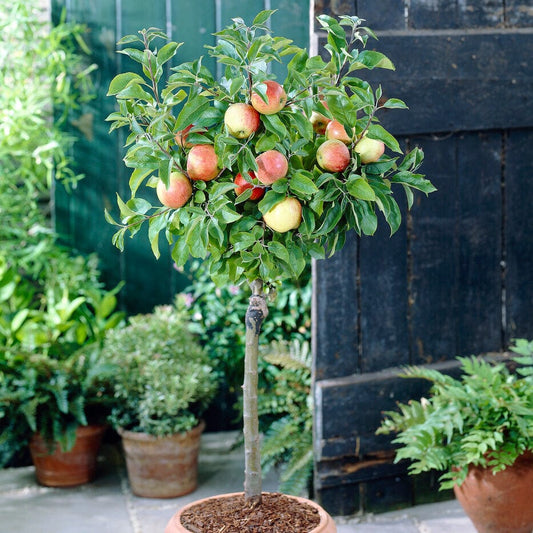
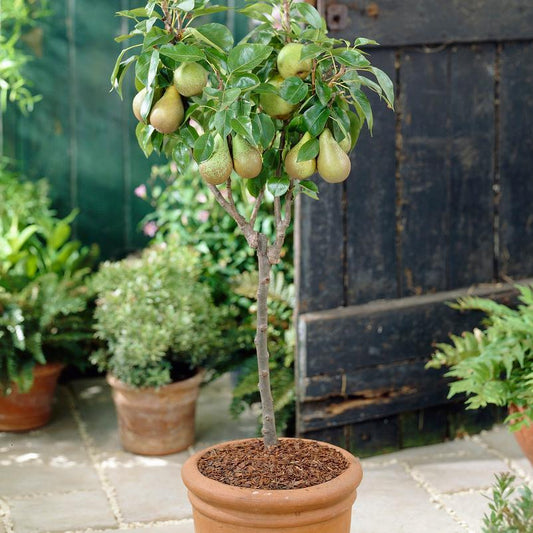
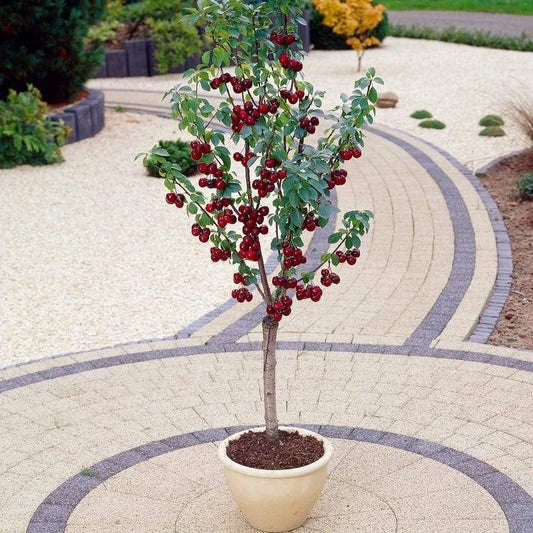
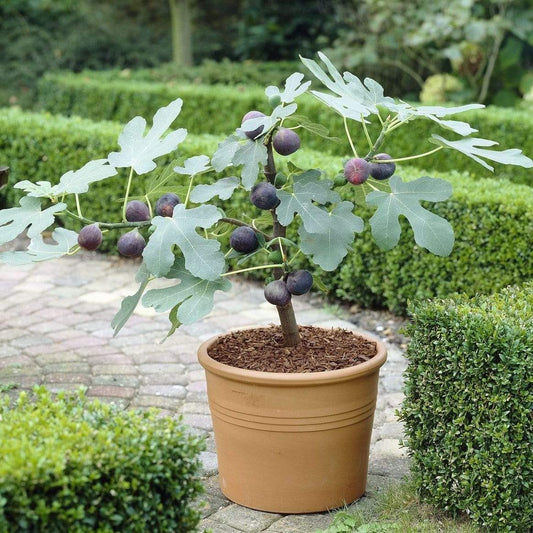
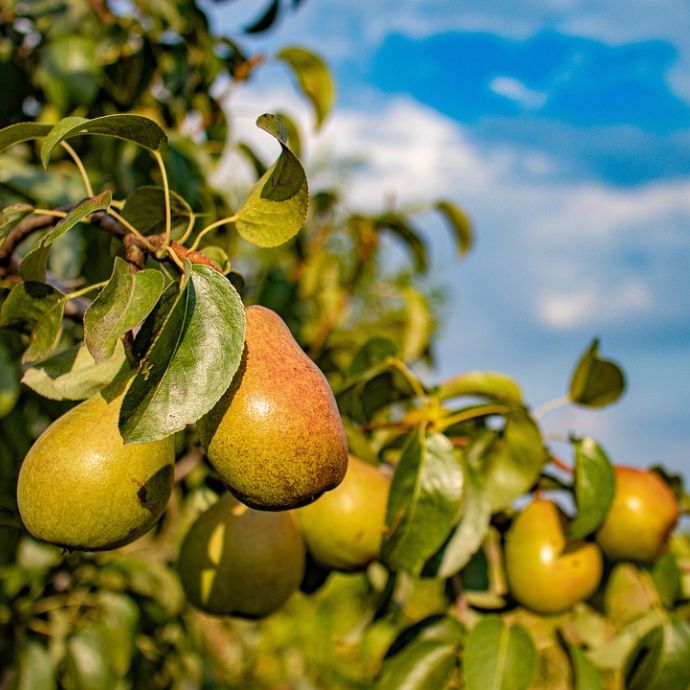
From the fruit perspective, you can opt for compact varieties of strawberry and blueberry – as mentioned above, blueberries naturally lend themselves to ericaceous compost in a container – or patio-trained versions of common fruit trees, including apples, pears and cherries. Fig trees are another strong pick, as they actively yield more fruit when their roots are restricted.
Perennials
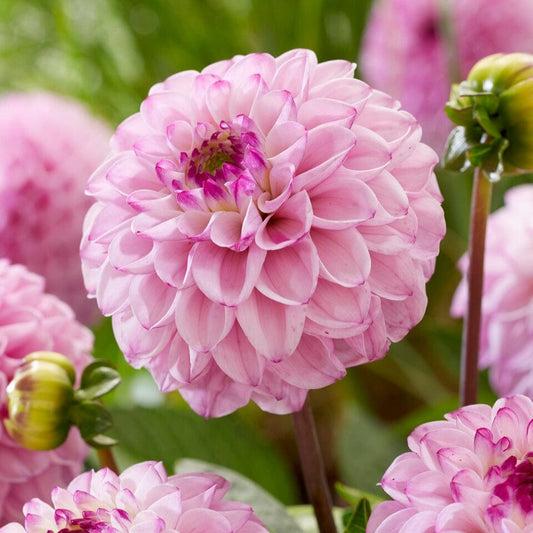
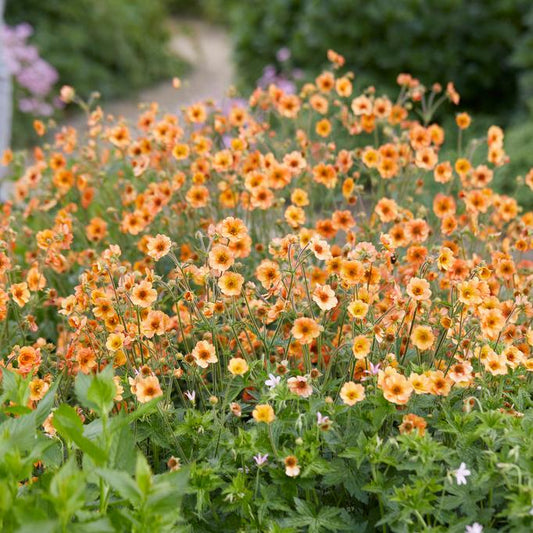
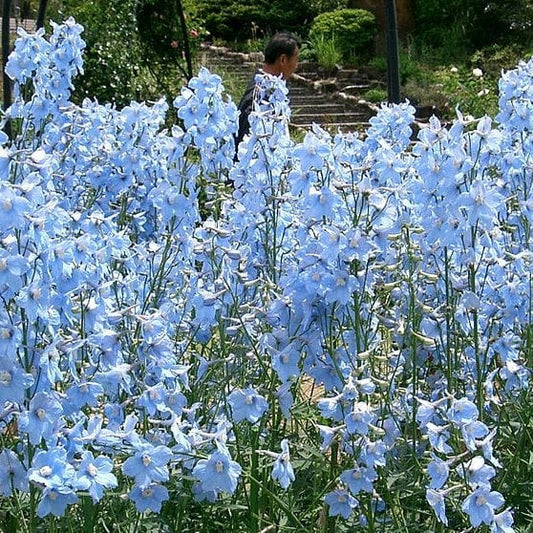
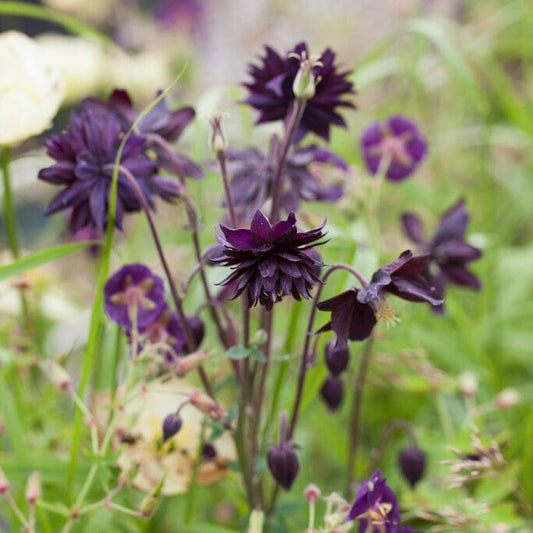
If you’re not so fussed about your container(s) yielding edible produce, then going for a selection of ornamental perennial plants is an option you could consider. For bold pops of colour, we’d suggest echinaceas, dahlias and geums, while for a more chic, contemporary aesthetic, interplant delphiniums with aquilegias and ornamental grasses.
Climbers
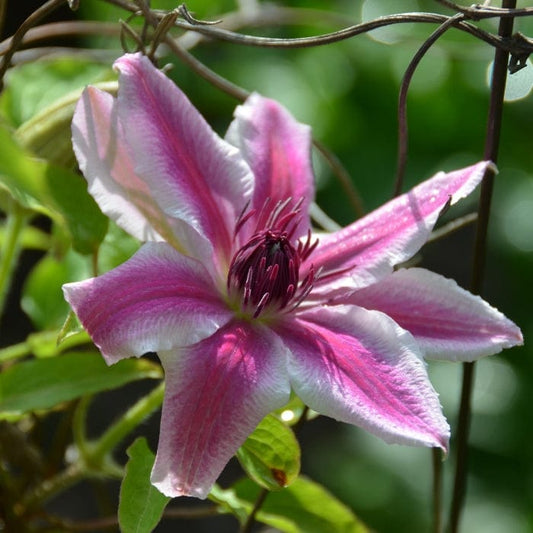
We touched on vining vegetable plants above, but there are ornamental climbers that are suitable for container gardening, too. Clematises are particularly good plants for container growing, liking their roots to be in the shade while the vines are in the sun, and with a good many of them being nice and compact, growing to just a couple of metres in height.
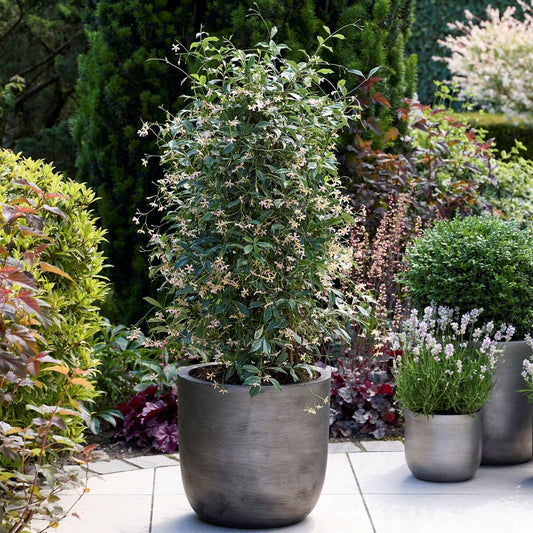
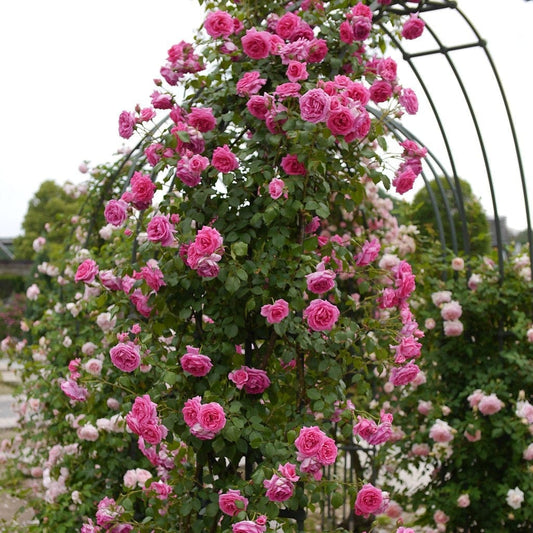
Other good climbing plants for containers include star jasmine, wisteria (though wisterias grow to be heavy and woody so make sure you’ve chosen a sturdy enough pot/planter) and climbing roses. Just make sure there’s good drainage in your pot or planter and that you’ve got a vertical support (like an obelisk within the container or a pergola support) against which you can tie in your plant with twine.
Pond
Pond gardening is its own separate world, and we could happily spend hours helping you differentiate your oxygenators from your aquatic baskets, but for the sake of brevity, we’ll simply lead you in the direction of our comprehensive container patio pond guide. Our favourite tip? Get a ceramic, farmhouse-style sink and whack a miniature water lily in there!

What kind of pots/planters are best for container gardening?
The type of pot you choose very much depends on what you’re going to be growing.
Terracotta
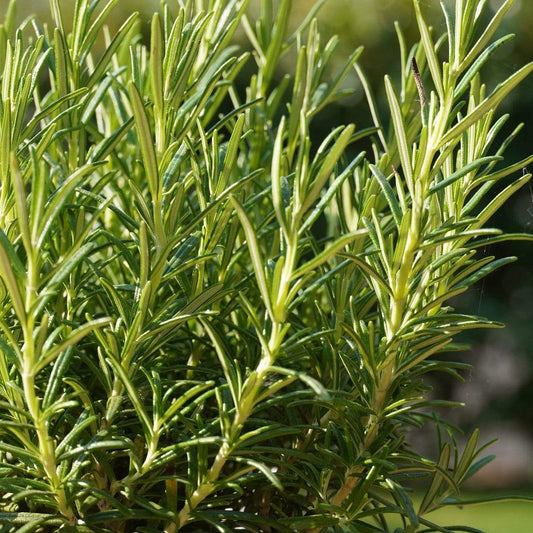
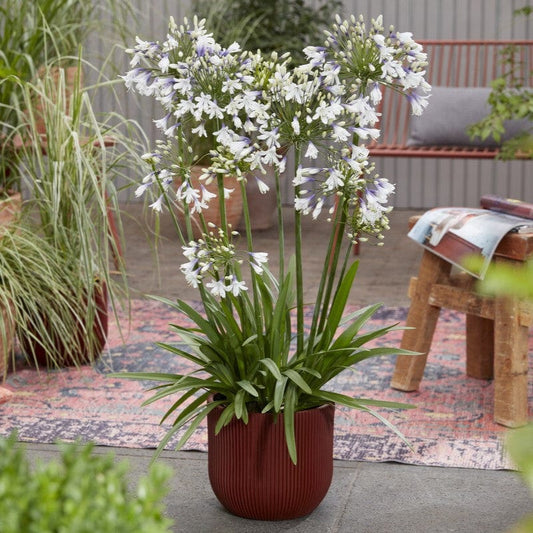
Terracotta containers, for instance, are ideal for drought-resistant plants that don’t mind (or actively like) their soil to dry out between waterings. So, Mediterranean herbaceous plants like rosemary and lavender, and perennial favourites such as agapanthus and verbena, are ideal. The terracotta helps keep roots cool and its breathable nature aids air circulation, better mitigating against root rot.
Plastic
Plastic pots are considerably cheaper than terracotta pots and have the advantage of being lightweight, durable and better at retaining moisture (which makes them a good choice for plants who like moist soil). The downsides are that, to most people’s tastes, they don’t look as attractive as terracotta or ceramic options, they heat up more than terracotta pots and aren’t as breathable, meaning air circulation isn’t as efficient.
Metal
Usually used for troughs and planters, metal can be an effective material for garden containers. Planters made from galvanised zinc, for instance, have a distinctive, slick visual appeal while also boasting great weather resistance to boot. Metal planters do tend to be on the pricier side, when compared with plastic alternatives, however you’re getting something that’s far more durable so the price tag is justified.
Concrete/stone
Troughs made from concrete or stone are amongst the toughest, most heavy duty containers you’re likely to find. The main advantage is how robust and sturdy they are, but this is also their biggest drawback – trying to move them can require a lot of effort! Like terracotta containers, stone and concrete planters have the benefit of good root insulation, not fluctuating too high or too low.

Considerations for growing plants in containers
If you’re planning on container gardening, there are a couple of things you have to bear in mind. The most important aspect, without a shadow of a doubt, is the question of watering. Unlike plants grown in the open ground, those grown in containers dry out far more quickly and thus need more regular watering.
Another major topic is that of repotting – specifically, whether it’s needed or not. As your plant grows and its root network becomes more established and significant, you might need to transplant your plant into a larger container. You can tell your plant is root bound and needs a larger pot if you’ve noticed roots starting to grow out of the drainage holes (which will be easier to see if your pot is raised on crocks) and growth has slowed or stalled altogether.

Design tips for container gardens
Various materials suit various different garden schemes. Mediterranean gardens, for instance, look brilliant with terracotta pots. Cottage garden patios exude more of a chocolate box feel when you use ceramic containers. Contemporary, urban spaces benefit from metal and stone planters, while if you’re shopping on a budget, you can get faux-terracotta pots made from recycled plastics.

Final thoughts
Container gardening can be as rewarding as growing plants in the ground, you just need to know how to go about it. Hopefully, having read this you have a better idea how to tackle it for yourself – be that a single plant pot or a whole patio full of planters. Make sure to check out our contemporary, Mediterranean, cottage and balcony garden guides while you’re here.
Last updated: 05/12/2025