




-
Regular price From £36Regular price Sale price From £36
'Champion' Quince Tree
Fruits worthy of the name
- Beautifully aromatic flavour when cooked
- A highly-productive variety
- Use in quince cheese (membrillo)
- Harvest from September
Currently out of stock
-
Regular price From £34Regular price
£36Sale price From £34'Vranja' Quince Tree
A Serbian sensation
- Cooks down to a wonderfully fragrant flavour
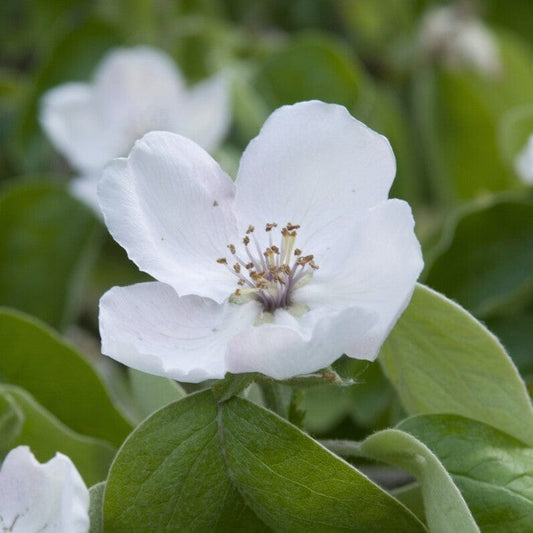
- Gorgeous white blossoms
- Makes a fabulous quince tarte tatin
- Harvest from October
Currently out of stock
-
Regular price £4Regular price
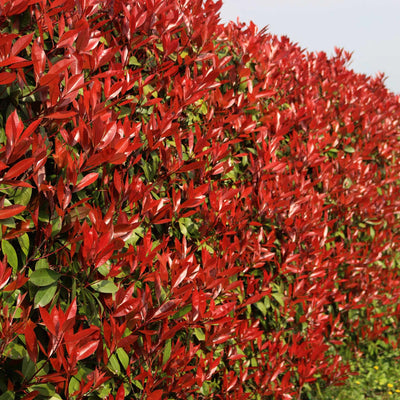
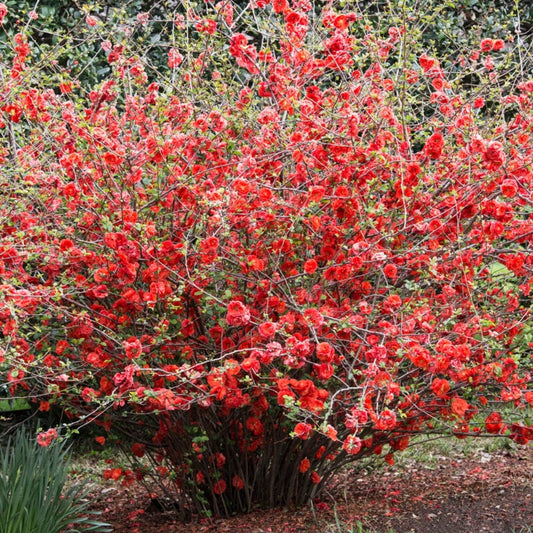
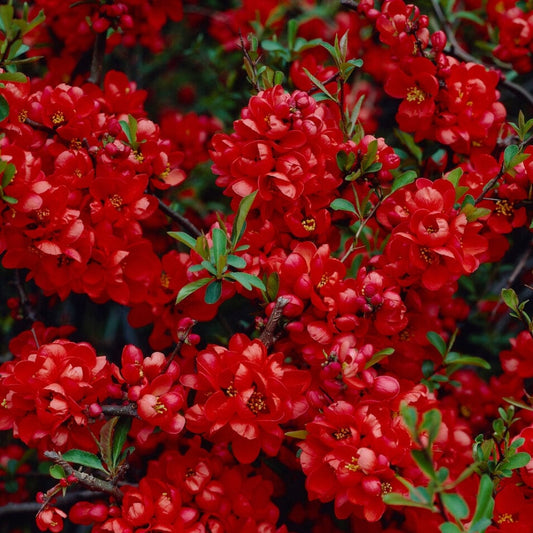
£8Sale price £4Japanese Quince Hedging | Chaenomeles japonica
Come for flowers, stay for fruit
- Glossy foliage and cup-shaped red flowers
- Harvest summer quinces for jelly
- Fast growth rate - 30-60cm per year
- Grows up to 1.5m
Currently out of stock
-
Regular price From £32Regular price Sale price From £32
'Serbian Gold' Quince Tree
Award-winning early harvests
- A sourness that softens when cooked with
- Award of Garden Merit winner
- Rustle up a quince chutney
- Harvest from September to October
Currently out of stock
-
Regular price From £32Regular price Sale price From £32
'Meech's Prolific' Quince Tree
Seriously heavy cropper
- Punchy tartness, becoming gentler when cooked
- Tolerates poor soil and conditions
- Use to make quince jelly
- Harvest from October
Currently out of stock
-
Regular price From £32Regular price Sale price From £32
'Portugal' Quince Tree
A glorious heirloom quince
- Tart flesh mellows brilliantly when cooked
- A reliable cropper
- Make a Persian quince lamb stew
- Harvest from mid-September
Currently out of stock
-
Regular price From £45Regular price
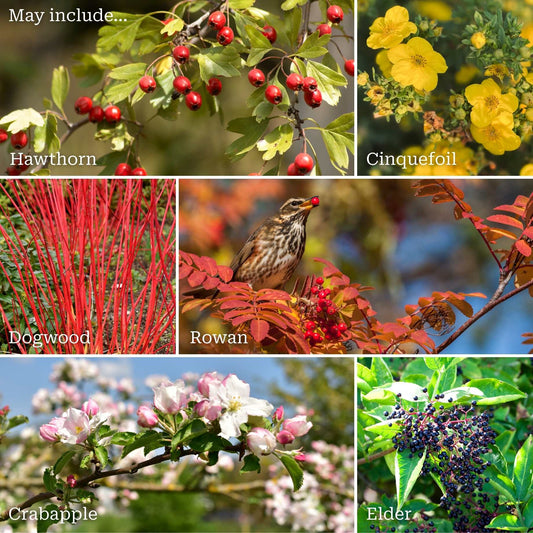
£55Sale price From £45All Seasons Hedging | Growers' Choice
Looks great all year round
- Flowers, berries and vibrant stems
- Packed with colour and wildlife benefits
- Premium varieties handpicked by our grower
- Easy to plant and prune
Currently out of stock
-
Regular price £75Regular price
£105Sale price £75Early Spring Flowering Shrub Collection
Herald spring's arrival
- Includes several habits (eg. bushy)
- Features shrubs of various sizes
- Features bold yellow and red blooms
- Welcome in the new season with these shrubs
Currently out of stock









Roots' Cotswolds Valley Nursery
Meet Mike
Tree-growing skills honed right across the globe
Having started out in Australia, studied in Northern Ireland and volunteered at an organic farm in Sweden, it’s fair to say Mike’s done his fair share of travel on his horticultural journey, so far! Having happily laid down roots here at Roots, Mike is the don behind our tree-growing operation, imparting each and every one of his globally-honed skills to benefit your garden. Grown in our purpose-built nursery, in the ideal climatic conditions of the fertile Vale of Evesham, we’re proud to supply only the happiest, healthiest and hardiest trees.
Quince Trees FAQs
What is a quince tree?
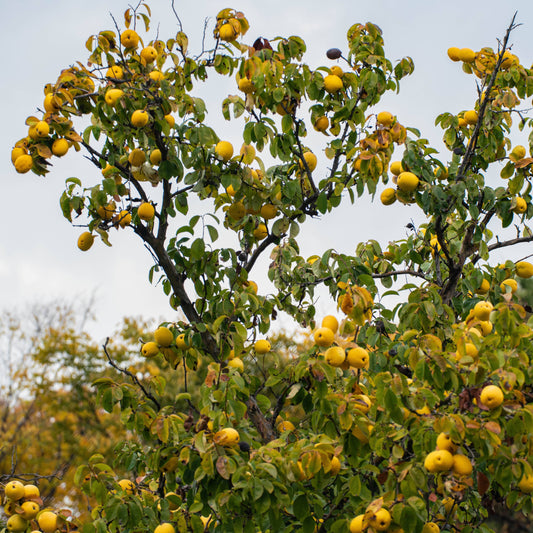
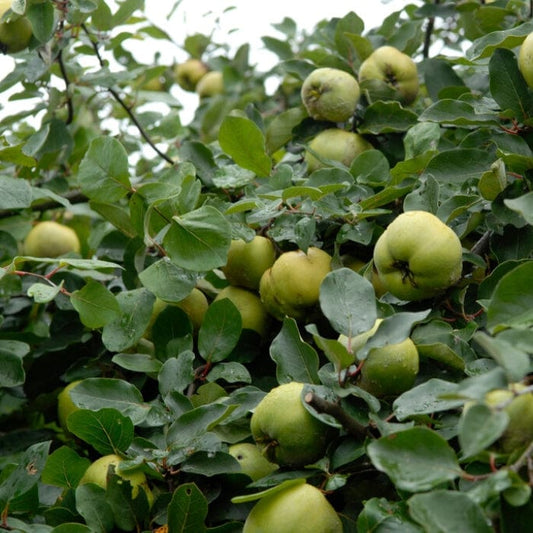
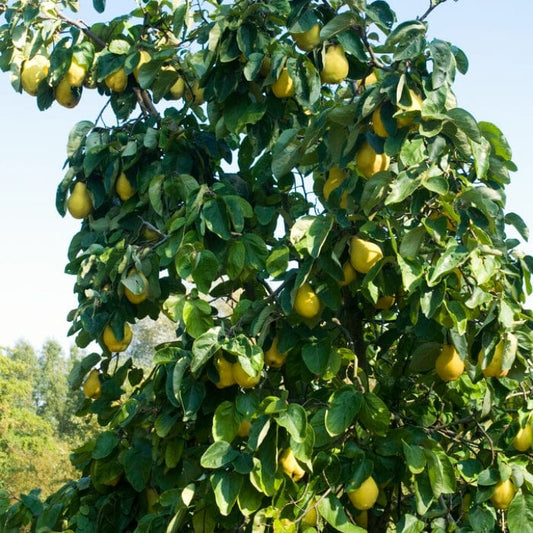
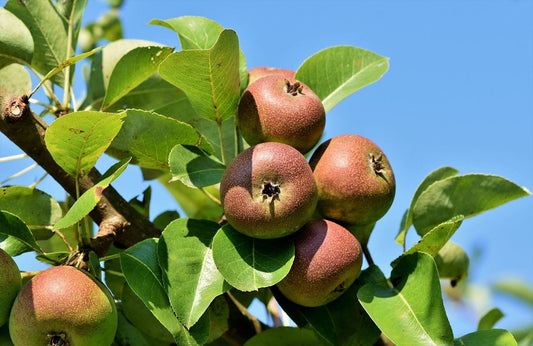
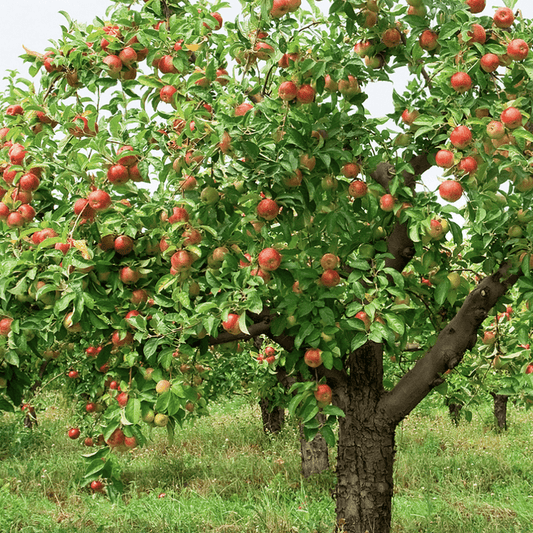
A quince tree is similar to other pome fruits such as apples and pears, but produces quinces - an aromatic yellow fruit that looks similar to a pear but larger and more rounded.
When is the best time to plant a quince tree in the UK?
Bare root quince trees should be planted between November and April, when they’re in their dormant phase. Potted quinces can be planted at any time of year, as long as the ground isn’t waterlogged or frozen over. Early spring is the best time, as this allows the tree to establish a good root system before any inclement weather sets in.
What type of soil do quince trees prefer?
Quince trees are fine in most soil types, but they prefer well drained, fertile soil with a pH level between 6.0 and 7.0. If your soil is a little on the depleted side, you can mix in a bag of compost or well rotted manure when you plant your tree.
How much sunlight do quince trees need?
Quince trees do best in full sun, although they can also grow with a little light shade, particularly if this is in the afternoon. For the best crops, plant them where they’ll get at least 6-8 hours of direct sunlight per day.
How often should I water my quince tree?
Water your quince tree regularly, especially during dry spells, to keep the soil consistently moist but not waterlogged. Watering deeply is best, to allow the water to reach the tree's root system.
Do quince trees require pruning?
Quince trees benefit from regular pruning, for healthy growth and better crops. Prune them during the dormant season to get rid of dead, damaged, or crossing branches and to shape the tree.
When do quince trees bear fruit?
You may well see your first quince or two in the first year after planting, but it’ll usually take a couple more years for a substantial crop to appear. Quinces ripen from late summer to early autumn, depending on the variety and the weather in your area.
How do I harvest quinces?
Harvest your quinces when they turn from green to yellow and have a fragrant aroma. Use pruning shears or scissors to cut the fruit from the tree, leaving a short stem attached.
Can I grow quince trees in containers?
Most quince trees are planted in the ground, but more dwarfing varieties can be grown in containers. They’ll need regular watering and fertilising, and repotting into larger containers as they grow. Choose the biggest pot you can get your hands on, with good drainage and filled with a good quality compost.
Plants arrived in great condition and very promptly. Well established - much better than the ones I got at my local garden centre.
Monica Spence
| 24 May

Yet again this company delivered good healthy plants, exactly as shown in photos, well packaged and within delivery time quoted. Recommend!
Jacqueline Burgess
| 2 Jun
I continue to be so impressed with Roots. Their customer care, knowledge of their subject: from planting hedges to pruning roses and more, has been a great support.
Judy Lane
| 23 Oct
The plant arrived looking vigorously healthy, which brings a smile to your face, extremely well protected in its packaging.
Martyn Hill
| 5 Jul
As a non-gardener, I found my whole experience brilliant. Great information & advice available on the website, great range of products & prices are brilliant.
John-Paul
| 22 May

Wonderful plants and great customer service... really surprised to find that the plants are better than those you would get at your local garden centre.
Gavin Wilcock
| 8 Nov
Fighting plastic waste
Delivering fresh from the nursery
Supporting UK growers